
Tick-borne diseases are rising throughout the U.S., making it essential to understand the risks where you live. In this post, we’ll introduce you to the most common ticks in Wisconsin, identify the associated health risks, and discuss what you can do to protect yourself and your family from them.
Types of ticks in Wisconsin
Ticks are parasites that feed on the blood of humans and animals. Different species of ticks prefer different terrains and climates. The following are some of the most prevalent ticks in Wisconsin.
American dog ticks
The American dog tick, or wood tick (Dermacentor variabilis), typically infects three hosts throughout its life cycle. Larvae and nymphs feed on small mammals like mice and rats, while adults are drawn to cats, dogs, raccoons, other similarly sized mammals, and humans. American dog ticks have flat, oval-shaped brown bodies and are mottled with white or gray markings.

American Dog Tick
Deer ticks
Like American dog ticks in Wisconsin, deer ticks (Ixodes scapularis) are a three-host species, feeding on increasingly larger hosts throughout their life cycle. Females are red-brown and have a distinctive black shield on their backs, while males are black with a lighter brown outline along the edges of their oval-shaped bodies.

Deer Tick
Lone star ticks
Lone star ticks (Amblyomma americanum) in Wisconsin also infest three hosts during their lives. Both males and females have brown bodies, but their markings differ. Females are easy to spot by a single white or silver spot on their backs, while males have dark upside-down U-shapes on their bodies.

Lone Star Tick
When is tick season in Wisconsin?
Typically, the worst months for ticks in Wisconsin are May to November. However, it’s also possible to get bitten and contract tick diseases in Wisconsin during the early spring.
Do ticks spread diseases?
Many tick species have the potential to spread diseases. Deer ticks are the most common cause of tick-borne illnesses, including Lyme disease, babesiosis, anaplasmosis, the Powassan virus, and others.
American dog ticks can carry Rocky Mountain spotted fever and tularemia but have yet to cause major outbreaks in Wisconsin. Lone star ticks are only beginning to appear in Wisconsin and can spread ehrlichiosis, which can cause fever, chills, headache, muscle aches, and sometimes upset stomachs.
How to prevent ticks
Wood ticks and other tick species in Wisconsin tend to live in areas with thick vegetation and tall grasses. Avoiding these areas can lower your risk of getting bitten. Keeping your grass mowed and landscaping trimmed may discourage ticks from living in your area.
If you plan to spend time outdoors in areas with ticks, cover as much of your skin as possible by wearing long sleeves, full-length pants, and socks. You can also protect yourself with an Environmental Protection Agency (EPA)-registered insect repellent effective against ticks.
Upon arriving indoors, check yourself for ticks from head to toe, and search your clothing for any pests as well. You should also look for ticks on your pets when they come in from outside.
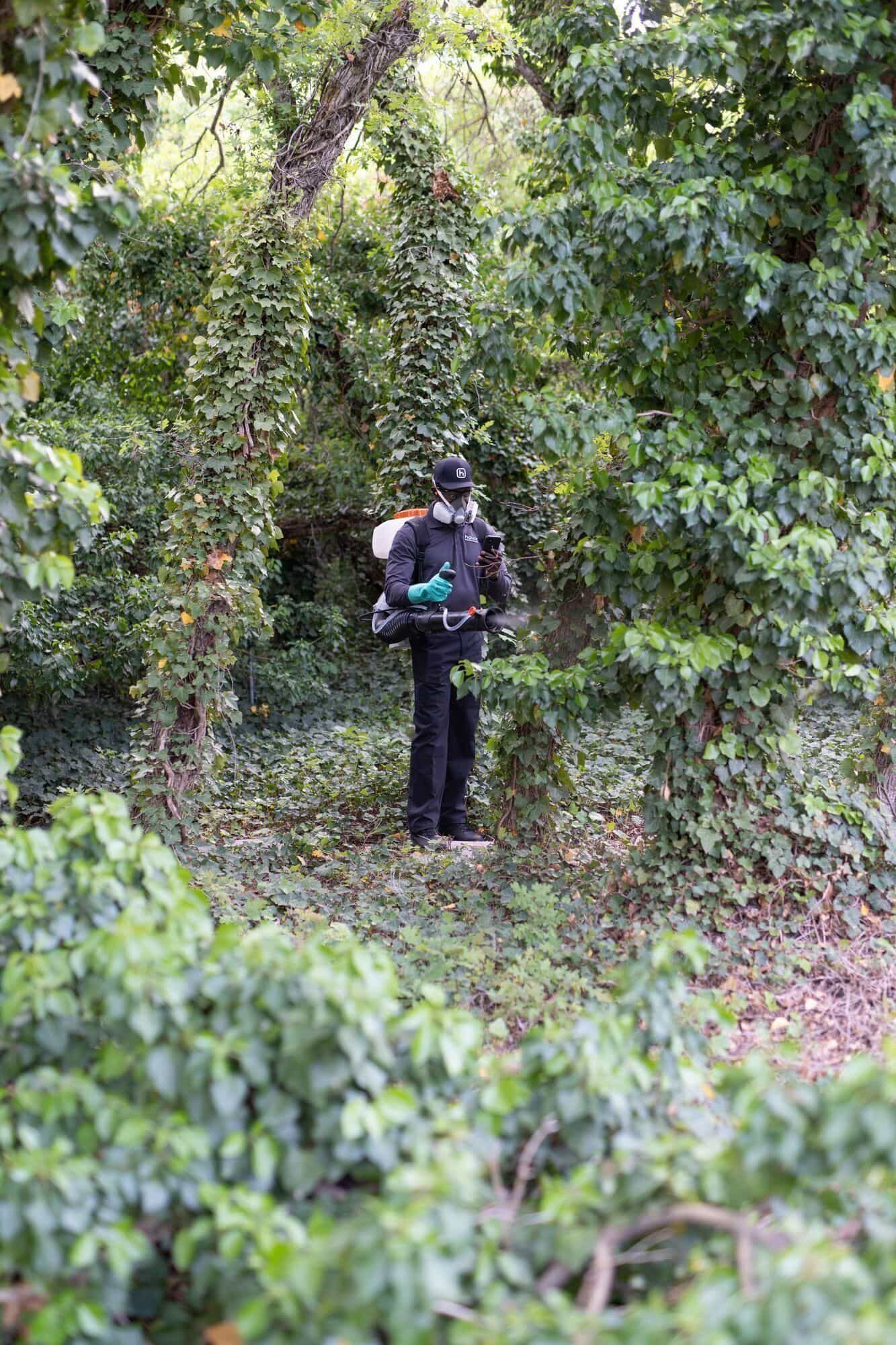
Professional pest control services can help control ticks on your property. Licensed pest control technicians experienced with treating ticks can recommend a treatment plan to address existing infestations and lower the likelihood of their return.
Pest control services
Hawx Pest Control offers a variety of tick treatments for our customers in Wisconsin. Our knowledgeable, licensed technicians can identify risk factors for ticks on your property and put together a plan to deal with them. They can also suggest how to make your yard less attractive to ticks and recommend a treatment plan to help manage the pests in the future. Contact us today for a free estimate.