
HAWX / PEST LIBRARY
HAWX / PEST LIBRARY
Millipedes & Centipedes Facts &
Information
Hawx is always reliable. Always innovative.
Get Pest Help: (855) 739-0061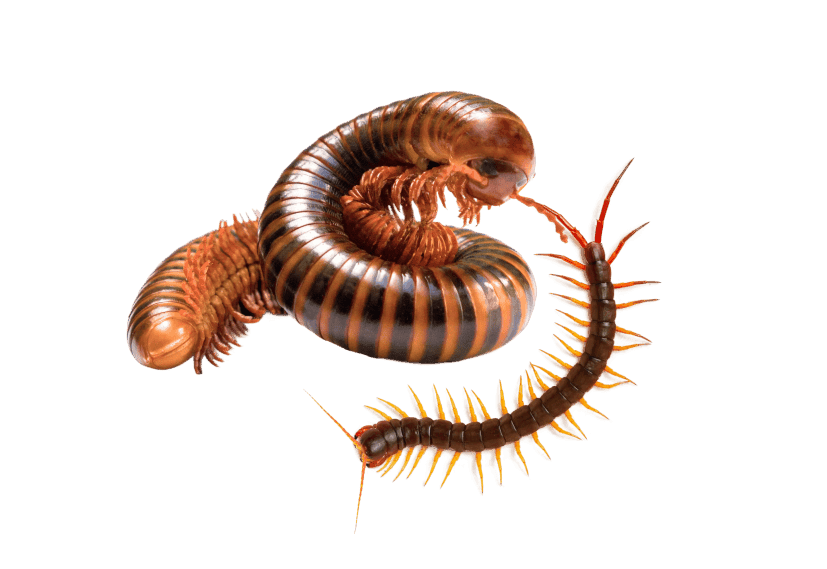
OVERVIEW
Understanding Millipede and Centipede Activity Around the Home
If you've seen a long, leggy creature wriggling across the floor and weren't quite sure what you were looking at, you're not alone. Was it a centipede? Or wait, was it actually a millipede? What's the difference? Millipedes and centipedes are both common arthropods that often find their way indoors — especially in damp, cool spaces. And they're very different in behavior, diet, and how they interact with humans.
Let's talk about what sets them apart, where they tend to live, and why they show up inside. More importantly, we'll tell you what you can do to keep them from invading your home.

Seeing Pest Activity?
Look up your local branch or call our office at (855) 739-0061 to schedule your appointment.
Call Hawx Today: (855) 739-0061IDENTIFICATION
How to Identify Millipedes & Centipedes
While both insects are named for their alarming number of legs, millipedes and centipedes have some distinct differences.
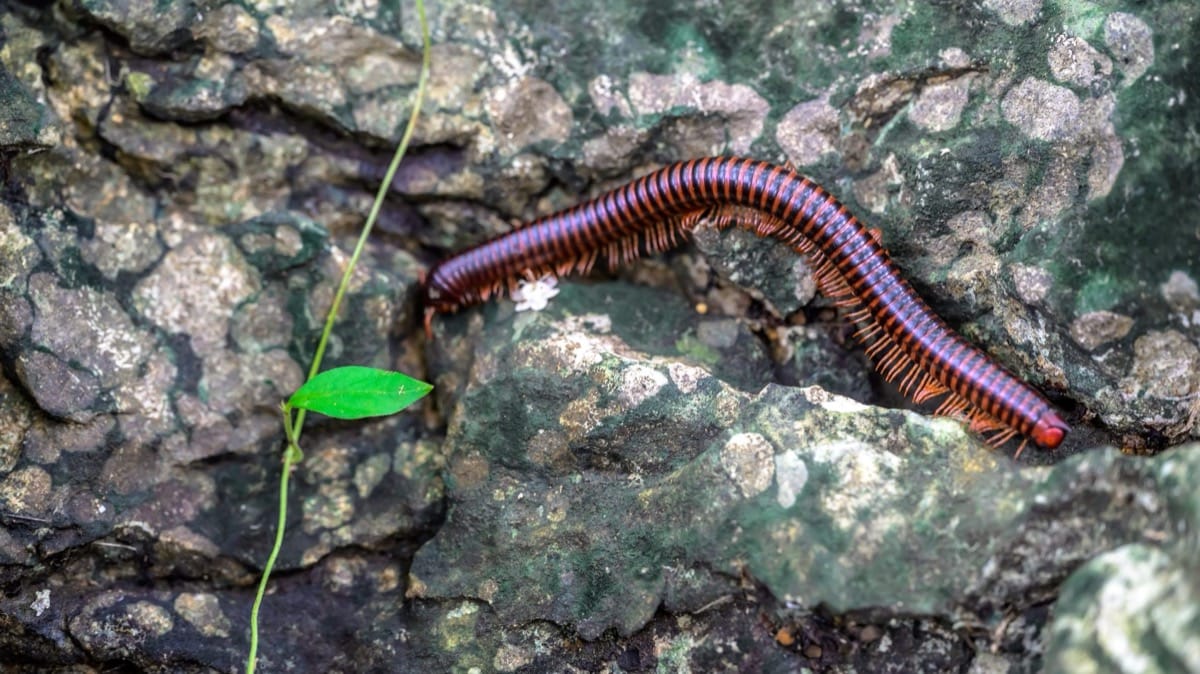
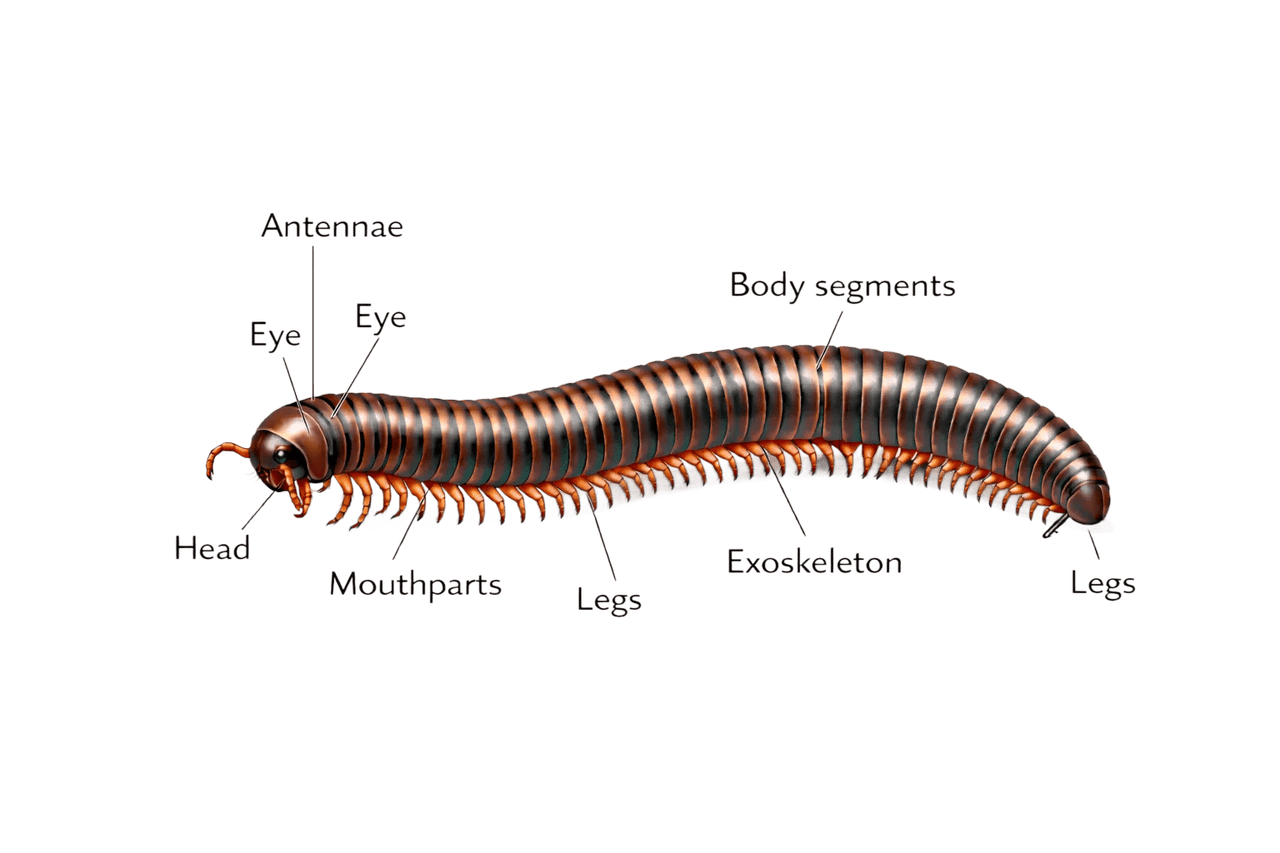
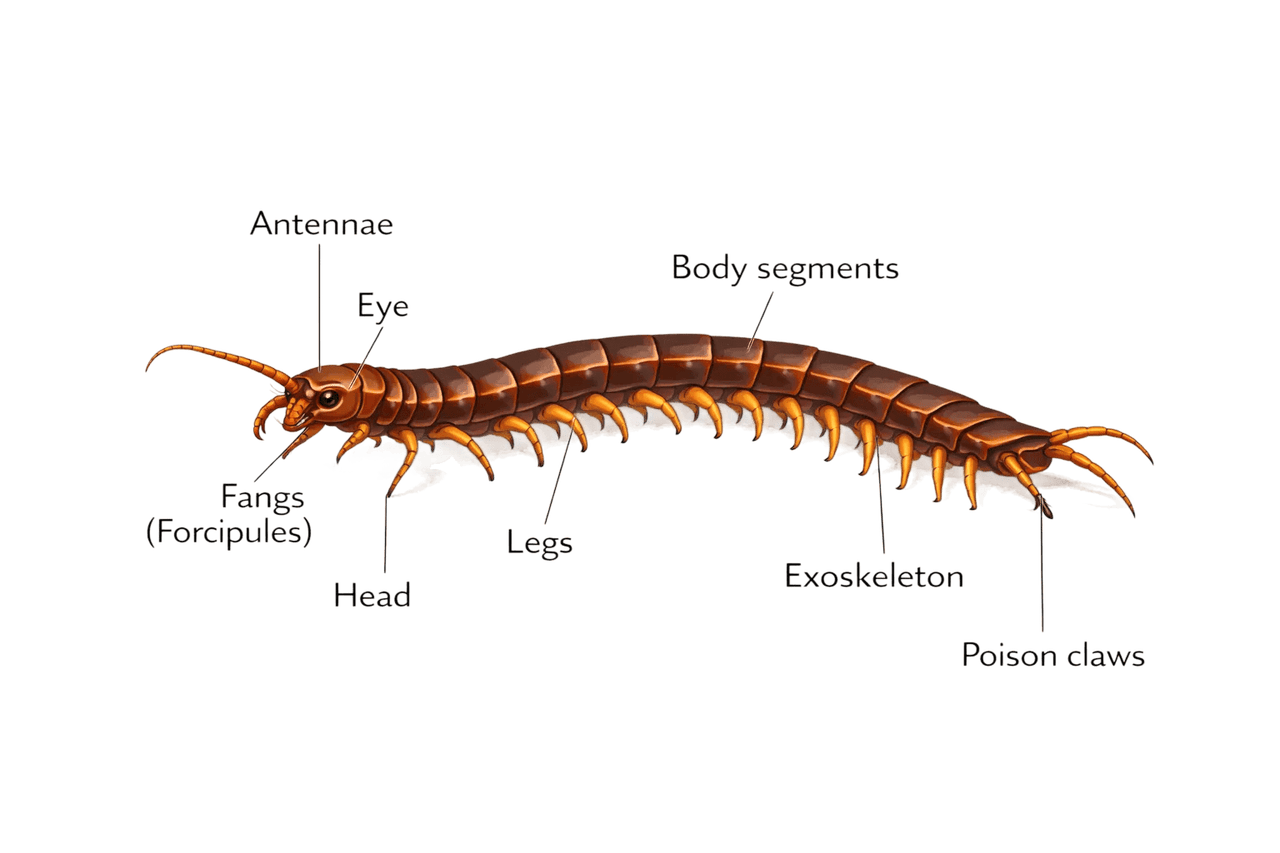
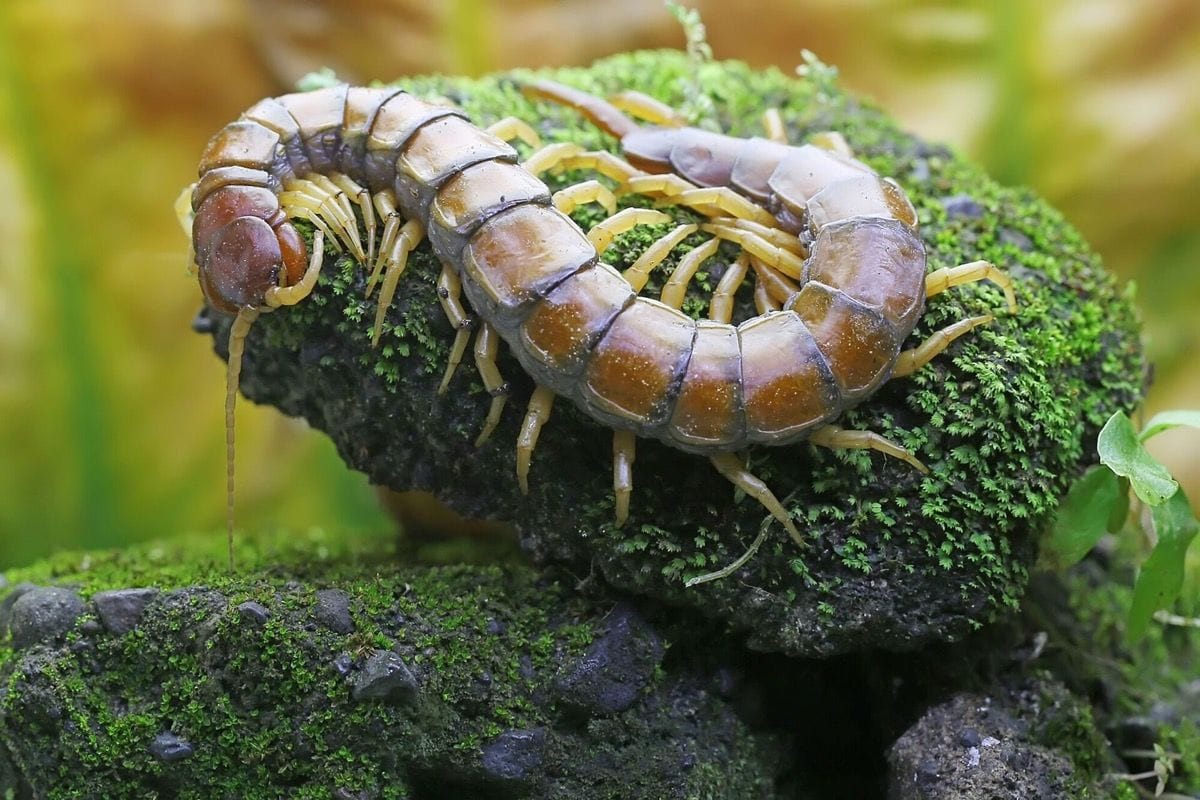
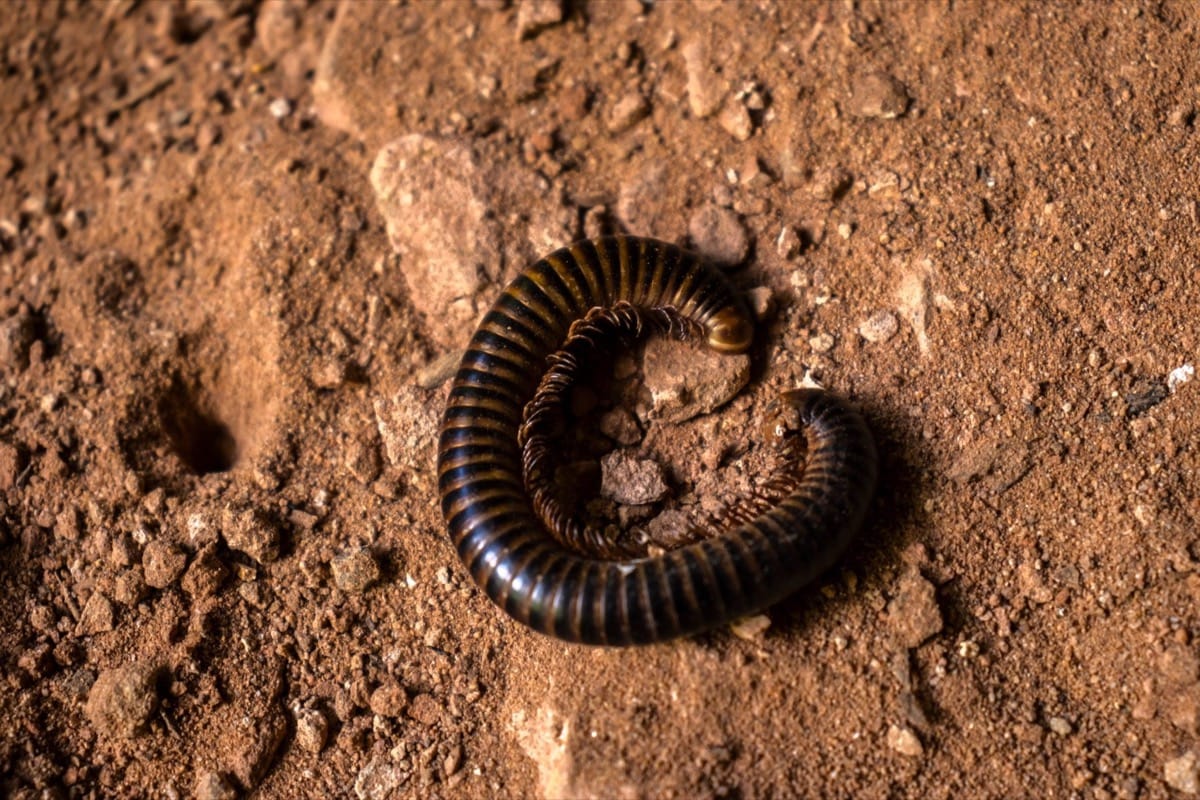
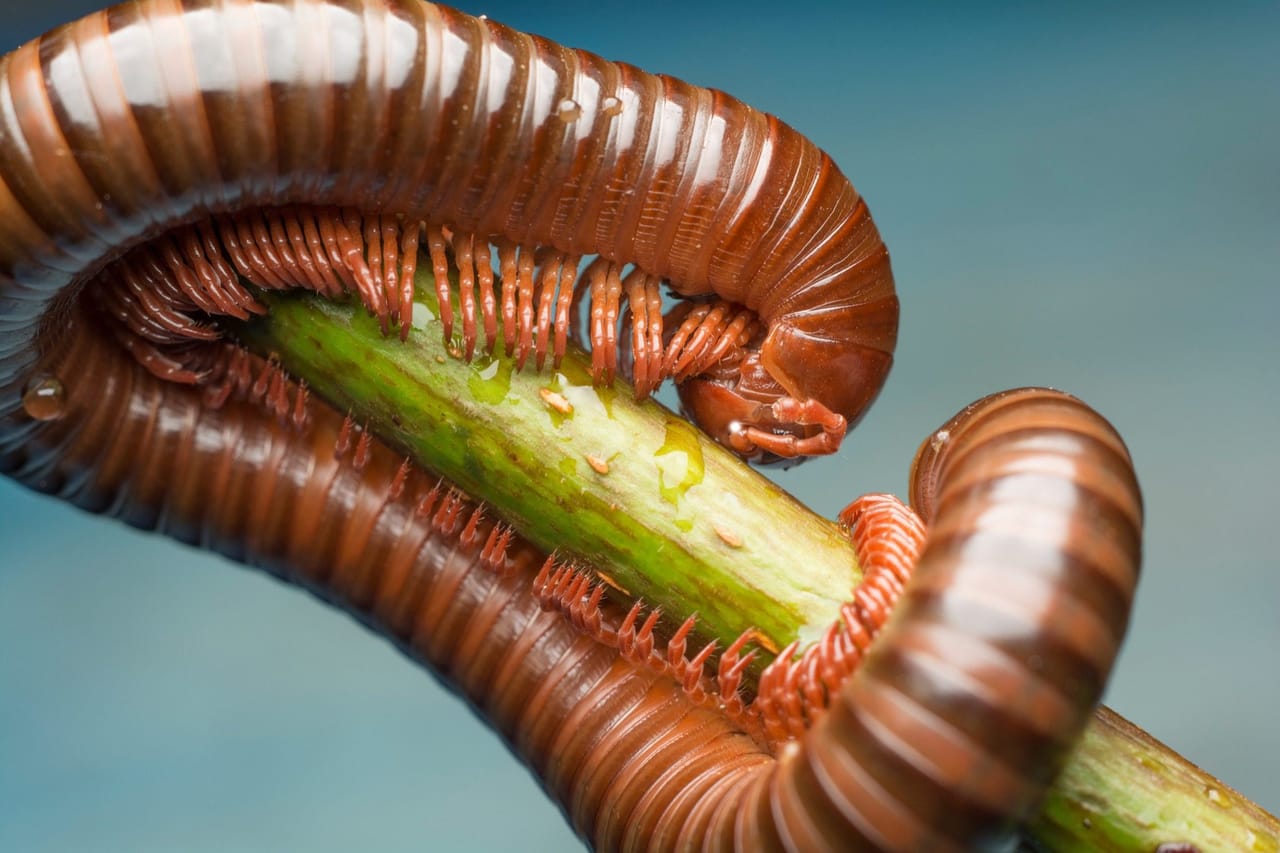
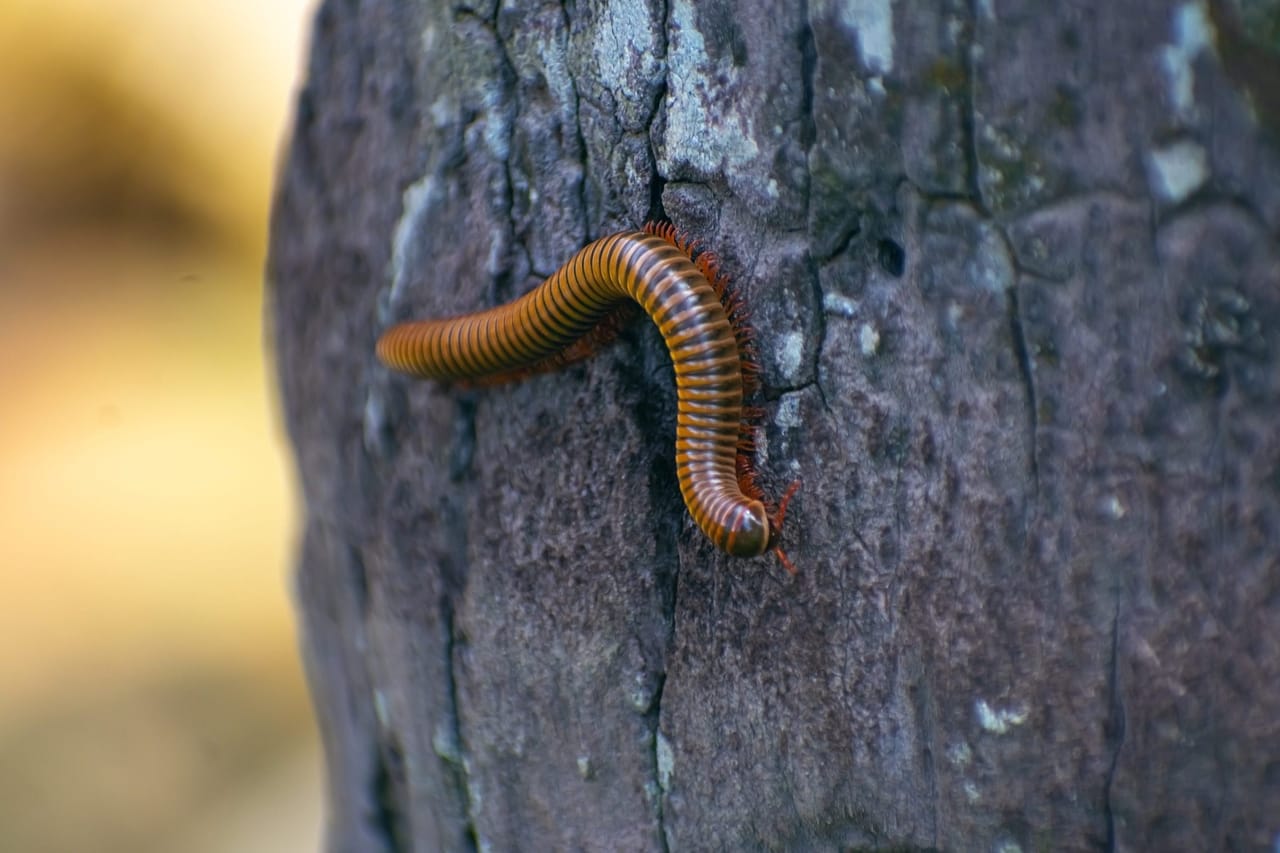
Millipedes have rounded, cylindrical bodies and move slowly in a wave-like motion. Their legs come in pairs on each body segment, and they're generally dark brown or black. Centipedes, on the other hand, have flatter, more flexible bodies, with one leg per body segment and long antennae. They move fast and are usually tan or yellowish with darker markings.
Here's a quick summary: Millipedes = slow and round. Centipedes = fast and flat.
LIFE CYCLE
Millipedes & Centipedes Life Cycles
Like other arthropods, millipedes and centipedes go through a few key life stages: egg, juvenile, and adult. Most species lay their eggs in soil or under debris outdoors, where it's moist and protected. Juveniles hatch with fewer legs and segments than adults and add more with each molt.
Millipedes typically live longer (sometimes several years) while centipedes tend to have shorter lifespans.
HOME
Where Do Millipedes & Centipedes Live?
Both of these pests thrive in moist, sheltered environments and are commonly found outdoors under leaf litter, mulch, and stones. Still, they may find their way inside your home when it gets too dry or cold outside, showing up in basements, bathrooms, laundry rooms, garages, crawl spaces, and any unfinished areas with high humidity.
FOOD
What Do They Eat?
Millipedes are detritivores, meaning they feed on decomposing organic matter like leaves, mulch, and decaying wood. So they're not interested in your pantry or your belongings.
Centipedes, on the other hand, are actual predators. They hunt other insects, including silverfish, cockroaches, and even spiders. They can actually help reduce other pest populations in small numbers, but you still probably don't want them running around your home.
SIGNS
Signs of Millipedes or Centipedes
Millipedes and centipedes don't leave behind droppings, webbing, or damage like some insects do, so the best way to identify an issue is by spotting them:
- Seeing them scurry along baseboards, walls, or tubs
- Finding them curled up dead in dry areas (common with millipedes)
- Noticing increased numbers after rain or irrigating your landscaping
Both are most active at night, so it's more common to see them in the evening or early morning hours.
GETTING INTO THE HOME
How Do They Get Inside?
Millipedes and centipedes are small and flexible enough to squeeze through cracks, weep holes, or gaps under doors. If there's excess moisture inside your property, especially near entry points, they have the perfect invitation to go ahead and come inside. Centipedes may also wind up inside while chasing prey, while millipedes seek out cool, damp hiding spots.
Basically, any moisture-rich area with poor ventilation is a likely entry and hiding point — and it's even more so if the space hasn't been sealed or maintained.
NEXT STEPS
How to Prevent Millipedes & Centipedes
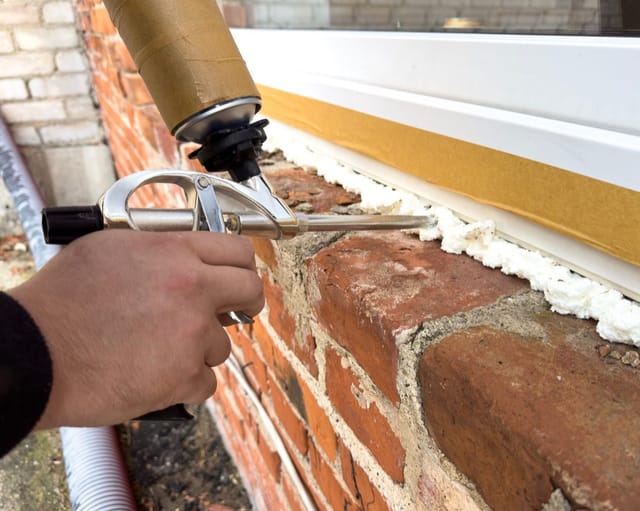
Start with moisture control. Fix your leaky pipes, improve ventilation in crawl spaces, and use dehumidifiers in damp rooms. Outside, rake up mulch and leaf litter near the foundation and avoid overwatering plants near the home. To prevent millipedes & centipedes from coming inside:
Seal cracks and gaps in doors, windows, and foundations

Store firewood away from the house

Keep indoor areas clean and dry
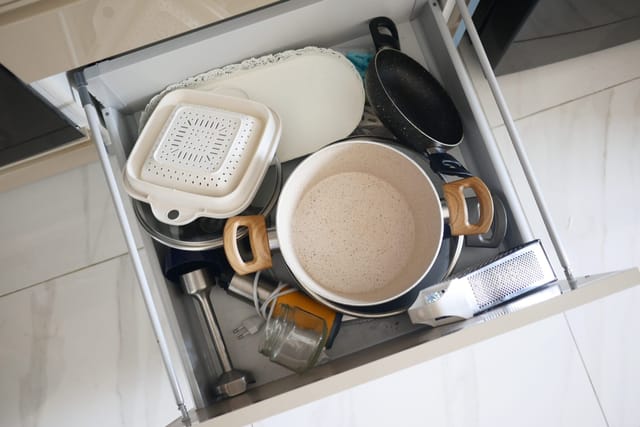
Reduce clutter to eliminate hiding spots
Let Hawx Handle It
DIY traps and sprays may reduce the occasional bug sighting, but they rarely fix the root cause — especially if you're dealing with conditions inside and out that attract them.
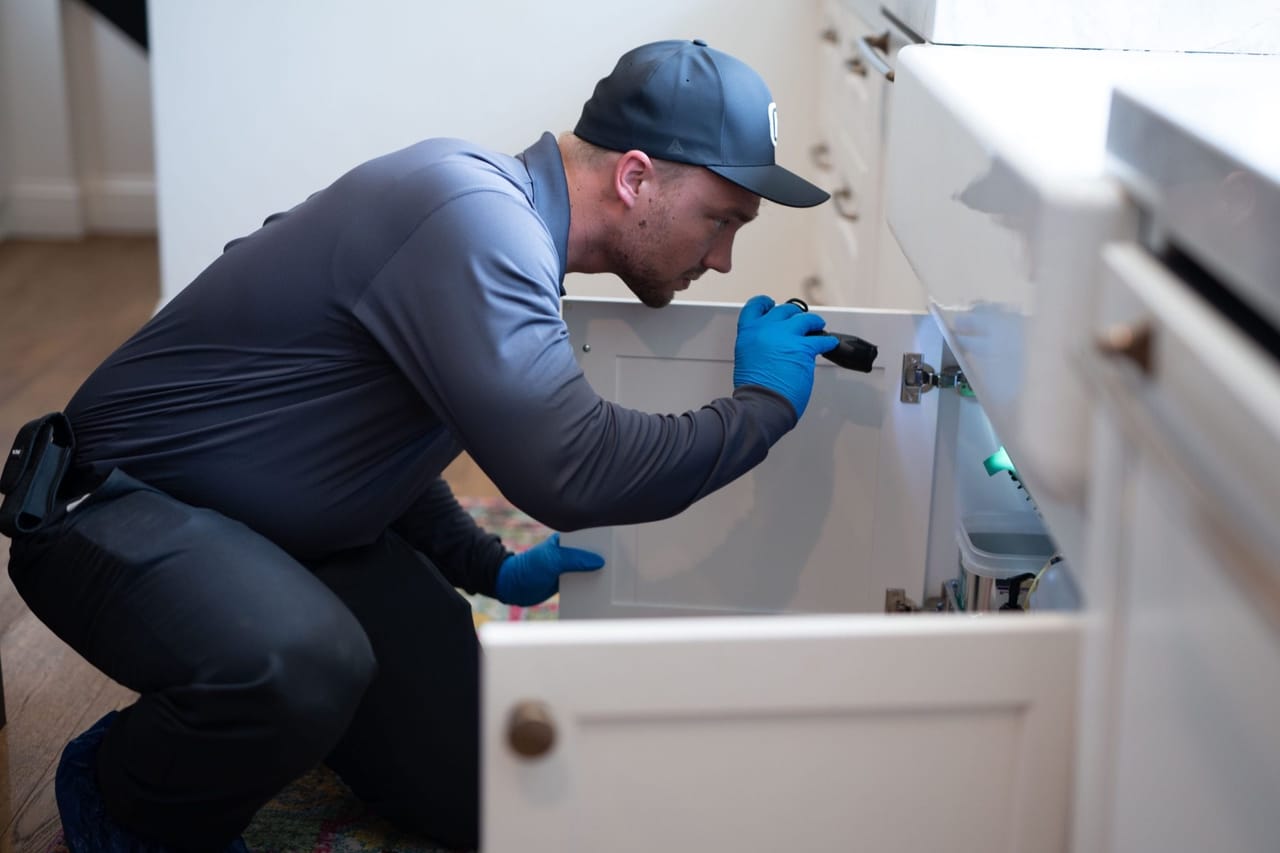
If you're seeing recurring activity or more than just a few stragglers, it's time to call in the professionals. Hawx Pest Control specializes in millipede and centipede control, using proven strategies to address the problems at the source.
We'll inspect the property, identify problem areas, and create a custom plan to target these pests — and it's all part of our General Pest Control Plan. Reach out for your free estimate today and let Hawx show you how to get rid of millipedes and centipedes for good.
To Learn More About the Hawx Pest Control or Commercial Pest Control, Please Reach Out To Hawx Pest Control Today!
Call Now — Get Answers FastMORE ON Millipedes & Centipedes
Want to Learn More About Millipedes & Centipedes?
Browse millipede and centipede-related articles and insights from our blog.
5-STAR PEST CONTROL
Top-Rated Local Pest Control
Hannah M
Janaury, 2026
Jaylen was wonderful! He took extra care around our plants, texted before arrival so we could put away the dogs, and was extremely knowledgeable and caring about his craft. He was able to answer a few additional questions we had swiftly and with a smile. 100% recommend!
Jessica B
December, 2025
Maggie was very professional and communicated to me the work that was done around my home. Excellent service and I haven’t been seeing any bugs in my house since we started services with Hawk.
Swakin R
August, 2025
Had a great experience with Hawx Pest Control. Eric, our technician, was fantastic—very professional, polite, and thorough. He explained everything clearly and made sure we were comfortable with the process. You can tell he really cares about doing a good job. Highly recommend Eric and the Hawx team!
Ken S
Janaury 21, 2026
Steve, was polite, courteous and punctual. I appreciated the communication. Hawx has been very consistent in delivering great service to my home over the years. I have no complaints or concerns. Thank you Steve.
Janie L
September 30, 2025
I've been with Hawx for a few years. They have great customer service. I didn't like that the price went up and got charged without my being notified but I discussed that with them once I realized my auto charge was increased. The current technician I've been getting is Jose. He's pretty responsive and serviced specific areas I needed/requested
Destiny G
November 18, 2025
I called Hawx to service my apartment after my building manager could not get to me quicker. Hawx arrived early next morning. Chris came and did a very thorough job. I highly recommend this service!