HAWX / PEST LIBRARY / MILLIPEDES & CENTIPEDES
HAWX / PEST LIBRARY / MILLIPEDES & CENTIPEDES
House Centipede
Hawx is always reliable. Always innovative.
Get Pest Help: (855) 739-0061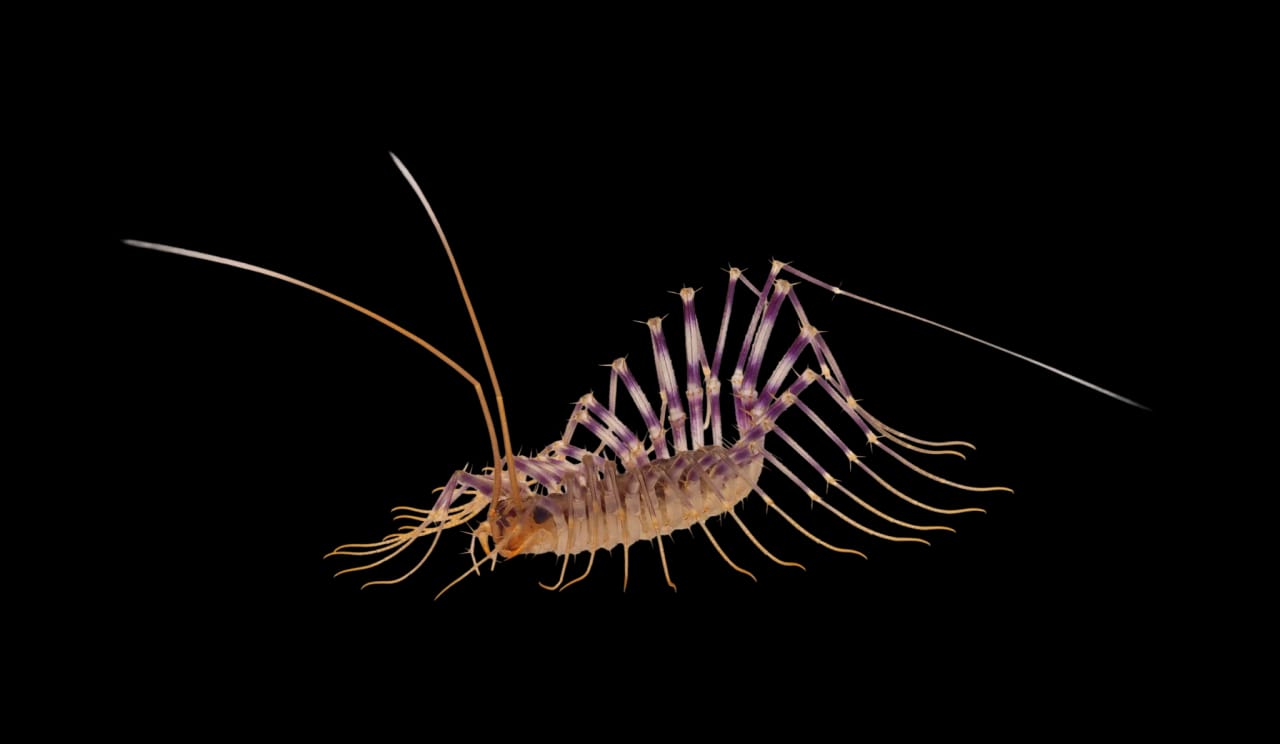
OVERVIEW
What is a house centipede?
With their many legs, long antennae, and fast movements, house centipedes (Scutigera coleoptrata) can be downright frightening to find in your home—especially during a nighttime bathroom trip. But, while they might look menacing, house centipedes are actually harmless. They can even help control other pest populations in your home.
It's important not to confuse house centipedes with other, harmful centipedes. We'll tell you how to identify the harmless kind, plus other key house centipede facts, including why they might be a sign of a bigger problem.
Seeing Centipedes?
Get help with your Centipede problems by calling the Centipede control pros at Hawx Pest Control! Call (855) 739-0061 today.
Call Hawx Today: (855) 739-0061IDENTIFICATION
What do house centipedes look like?
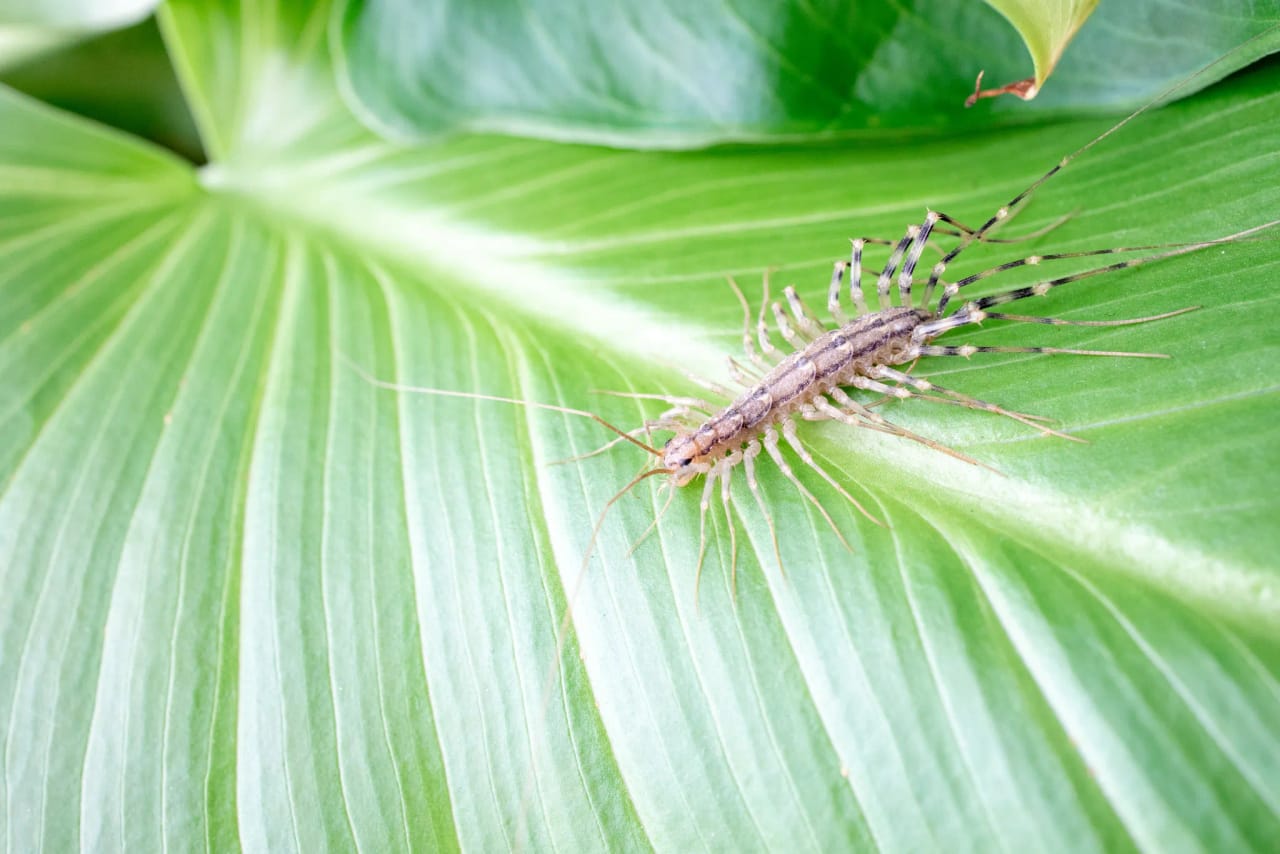
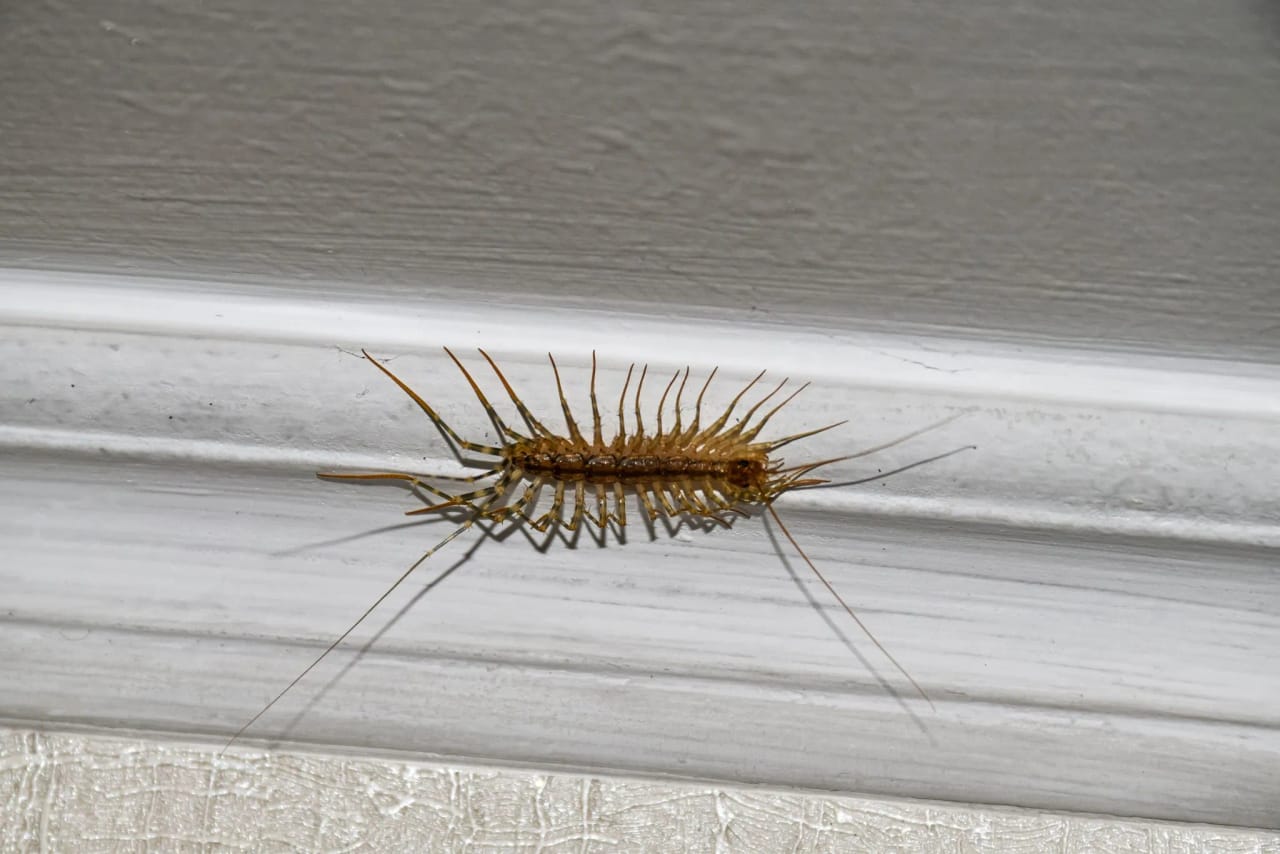
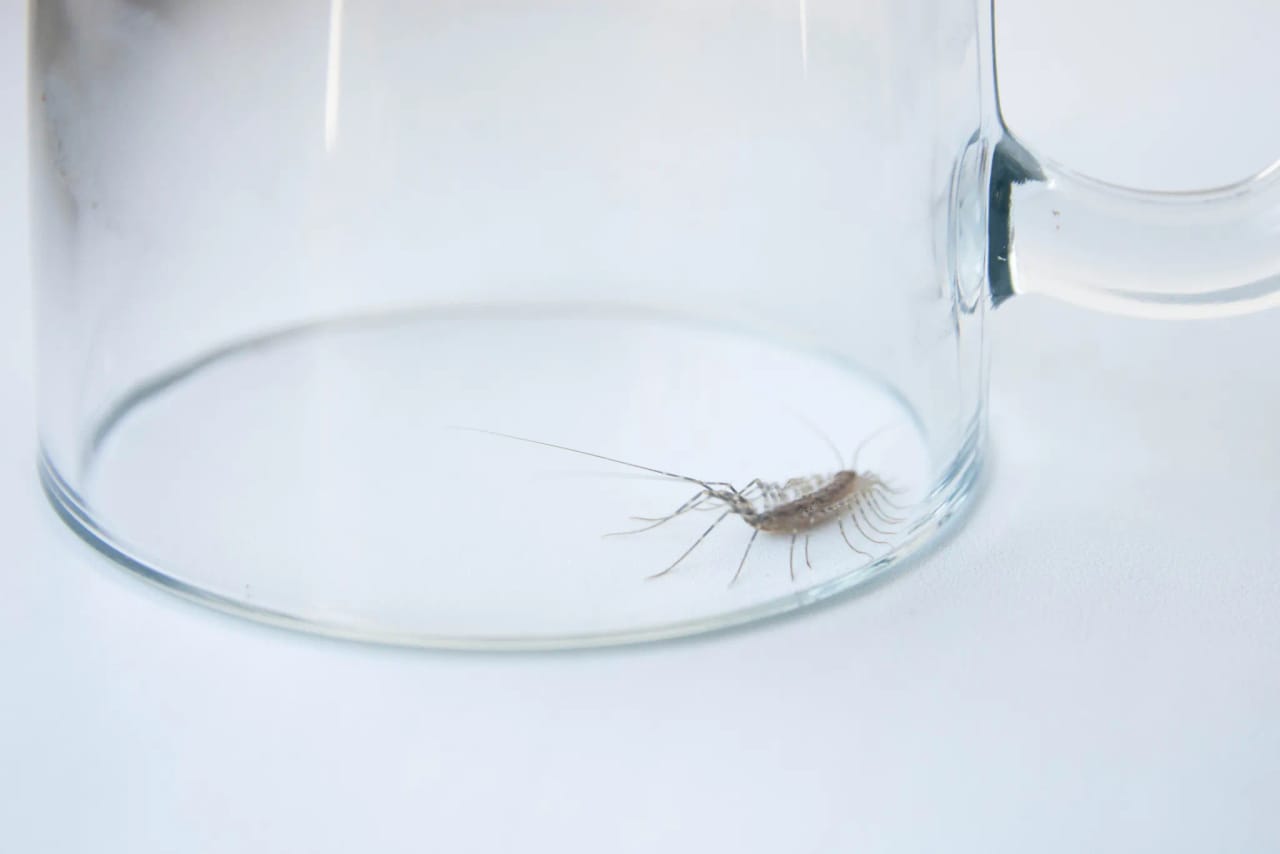
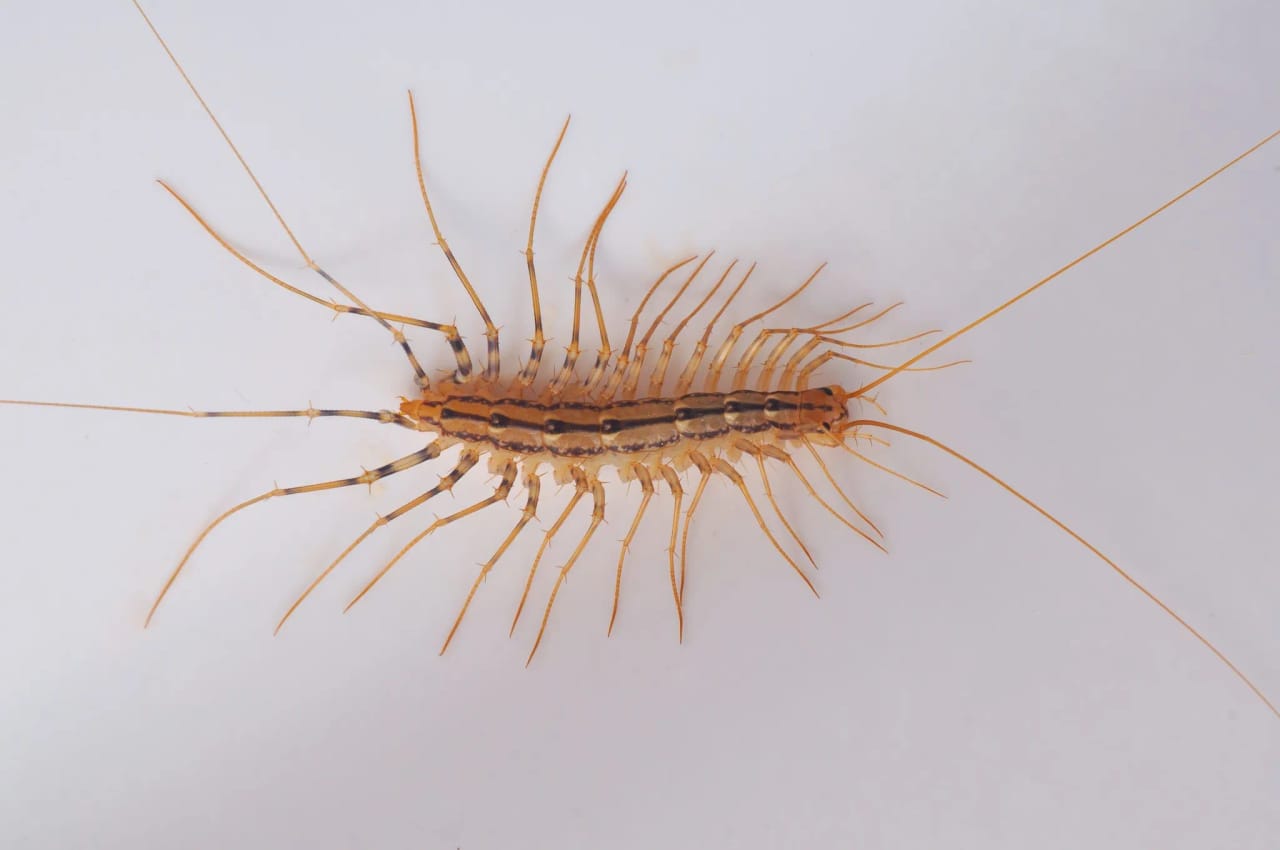
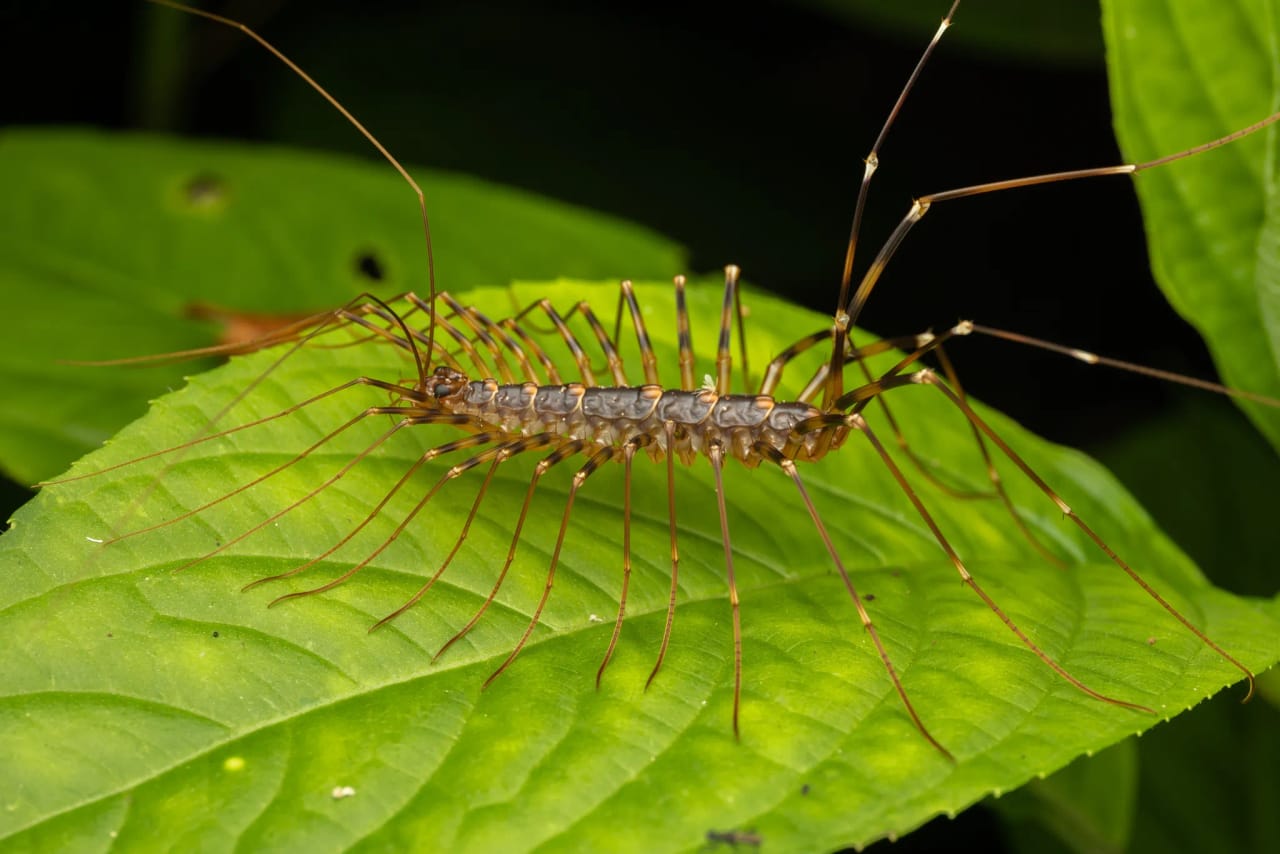
House centipedes have long, flat, and segmented bodies, with thin, whip-like antennae that are nearly as long as their bodies. In adult females, the final pair of legs is more than twice the length of the body. A house centipede's size usually ranges between 3-4 inches, including the antennae. They are typically grayish-yellow to dirty yellow with three dark stripes running the length of the body.
Interestingly, over a house centipede's lifespan, its number of legs will change several times. It starts with four pairs of legs and winds up with 15 pairs within 2-3 years. Spotting juveniles (with fewer than 15 pairs of legs) may indicate house centipedes are breeding indoors.
BEHAVIORS
What are some house centipede behaviors?
House centipedes love moisture. They're found throughout the U.S. but are especially common in humid climates like the Southeast and Pacific Northwest. Within the home, they gravitate toward places with a lot of moisture—bathrooms, basements, laundry rooms, under sinks and near plumbing fixtures, and inside potted plants.
Thanks to their many legs, house centipedes are remarkably fast, making them efficient hunters and difficult prey for other insects. Their speed and nocturnal nature can often take people by surprise—flipping on a light switch usually causes them to scurry for a hiding place.
The house centipede diet consists entirely of other small pests, such as cockroaches, silverfish, spiders, ants, earwigs, termites, and others. Their legs have small barbs that hold prey, while tiny venomous fangs on the front pair paralyze it.
A house centipede can live 5-7 years and is the only species of centipede capable of living its entire life indoors.
INSIDE THE HOME
How do house centipedes enter homes?
House centipedes often enter homes in the spring, after coming out of their winter dormancy to go after prey. In the fall, they may also seek shelter as the temperatures drop. With their slim, flexible bodies, they can slip through openings as small as the width of a pencil, including:
- Cracks in foundations and exterior walls
- Gaps around utility lines and pipes
- Spaces beneath doors and around window frames
- Openings around worn-out weather stripping
- Uncovered or damaged vents
- Loose or damaged exterior siding
Once indoors, they seek out the cool, dark, humid areas to hide during the day.
HARMFUL
Are house centipedes harmful to humans?
House centipedes are not considered dangerous to humans. While they can bite if feeling threatened, they're much more likely to run away. With their weak jaws, a house centipede bite is unlikely to break the skin, and their venom is too weak to affect humans or pets.
Some centipede species are more dangerous, such as the giant desert centipede (Scolopendra heros). These centipedes are found in the Southwest and range from 6-8 inches long. If you believe this type of centipede is in your home, call a professional to remove it. For house centipedes, you have options.
NEXT STEPS
Are house centipedes hard to get rid of?
Because house centipedes are harmless to humans and help control other pests, many people choose to ignore them or attempt to capture and release them outside. Many others simply don't like them in their house and take steps to eliminate them.
Control Moisture
The number one thing you can do is to control moisture in your home:
- Fix all water leaks, including slow drips that create persistent moisture
- Improve ventilation in bathrooms, basements, and crawl spaces
- Use dehumidifiers in chronically damp areas (keep humidity below 45%)
- Ensure proper drainage around the home's foundation
- Address condensation issues on cold water pipes
Seal Entry Points
The next step is to seal entry points:
- Seal cracks in foundations and exterior walls with caulk or concrete patching
- Install door sweeps and weather stripping around exterior doors
- Seal gaps around pipes, conduits, and utility lines
- Cover or repair damaged vents
- Address gaps in siding or trim
The bigger issue with house centipedes is their reason for being in your home: prey. If you frequently spot house centipedes, it's probably because you have an infestation of some other pest, such as cockroaches, silverfish, bed bugs, carpet beetles, termites, or others. In that case, you should contact a professional pest control team like Hawx.
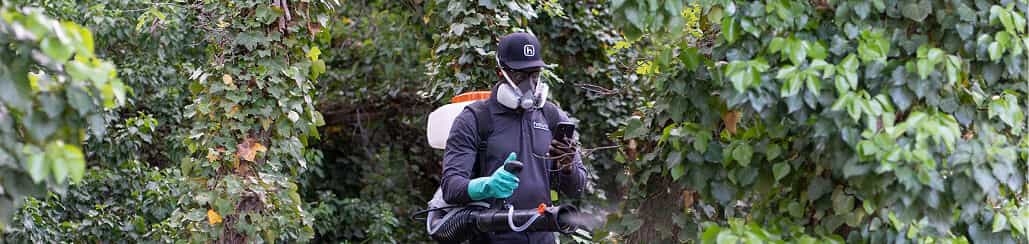
Hawx begins every service call with a thorough inspection to pinpoint the exact pest issue and where it's coming from. Our licensed technicians identify entry points, moisture sources, and nesting sites around your home, then design a customized pest management plan. We create a protective barrier around your foundation and treat both interior and exterior zones—including cracks, crevices, and harborage areas—to stop pests at the source. Every plan includes sealing potential entry points, reducing pest-attracting conditions, and applying targeted treatments where needed. And with our ongoing service guarantee, if pests come back between scheduled visits, so will we—at no extra cost.
If you have a pest problem, Hawx Pest Control is here to help. Contact Us Today.
Call Now – Get Answers FastMORE ON Millipedes & Centipedes
Want to Learn More About Millipedes & Centipedes?
Browse Millipede / Centipede-related articles and insights from our blog.
5-STAR PEST CONTROL
Top-Rated Local Pest Control
Hannah M
Janaury, 2026
Jaylen was wonderful! He took extra care around our plants, texted before arrival so we could put away the dogs, and was extremely knowledgeable and caring about his craft. He was able to answer a few additional questions we had swiftly and with a smile. 100% recommend!
Jessica B
December, 2025
Maggie was very professional and communicated to me the work that was done around my home. Excellent service and I haven’t been seeing any bugs in my house since we started services with Hawk.
Swakin R
August, 2025
Had a great experience with Hawx Pest Control. Eric, our technician, was fantastic—very professional, polite, and thorough. He explained everything clearly and made sure we were comfortable with the process. You can tell he really cares about doing a good job. Highly recommend Eric and the Hawx team!
Ken S
Janaury 21, 2026
Steve, was polite, courteous and punctual. I appreciated the communication. Hawx has been very consistent in delivering great service to my home over the years. I have no complaints or concerns. Thank you Steve.
Janie L
September 30, 2025
I've been with Hawx for a few years. They have great customer service. I didn't like that the price went up and got charged without my being notified but I discussed that with them once I realized my auto charge was increased. The current technician I've been getting is Jose. He's pretty responsive and serviced specific areas I needed/requested
Destiny G
November 18, 2025
I called Hawx to service my apartment after my building manager could not get to me quicker. Hawx arrived early next morning. Chris came and did a very thorough job. I highly recommend this service!