HAWX / PEST LIBRARY
HAWX / PEST LIBRARY
Wasp and Hornet Facts & Information
Hawx is always reliable. Always innovative.
Get Pest Help: (855) 739-0061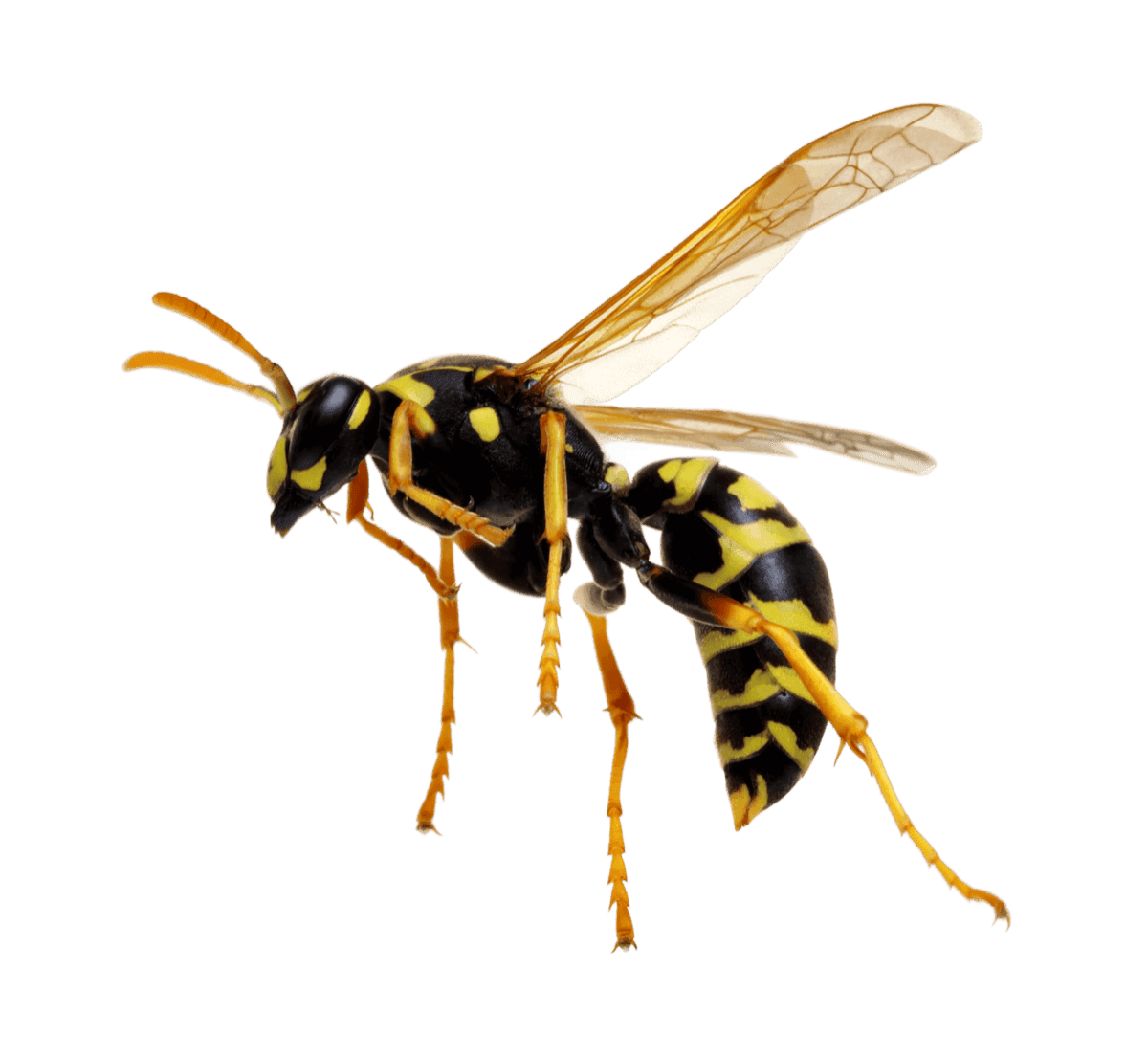
OVERVIEW
Understanding Wasp and Hornet Activity Around the Home
Wasps and hornets might look intimidating buzzing around your yard, but they also play a role in nature by controlling and regulating certain insect populations. Despite their sometimes unseen benefits, nobody wants them building nests near the front door, under the eaves of a house, near the garage, or really anywhere else you frequent in and around your property.
If you've noticed an increase in wasp or hornet activity—or noticed a nest in an inconvenient spot—don't panic. Below, we'll explore how to recognize common wasp and hornet species, what draws them to your property, and practical steps you can take to keep them away so you can enjoy your property without the fear of being stung or harassed.
Hearing Buzzing?
Learn more about our stinging insect control solutions today! Contact Hawx Pest Control by dialing (855) 739-0061 now.
Call Hawx TodayIdentification
What's the Difference Between Wasps & Hornets?
Although many people use "wasp" and "hornet" interchangeably, hornets are actually a type of wasp. Both have slender bodies and narrow waists, but hornets tend to be larger and often sport white or light-colored markings on their heads and abdomens. Yellow jackets, paper wasps, and bald-faced hornets are some of the most common species in the United States. Most wasps build papery nests from chewed wood pulp, though some, like yellow jackets, may also nest inside the ground.
These insects defend their nests if they feel threatened—and unlike bees, certain wasps can sting multiple times. Stings can be painful and sometimes trigger severe allergic reactions, especially for sensitive individuals. This natural defense mechanism is part of why a colony of wasps or hornets in a high-traffic area can quickly become more than just problematic for homeowners.
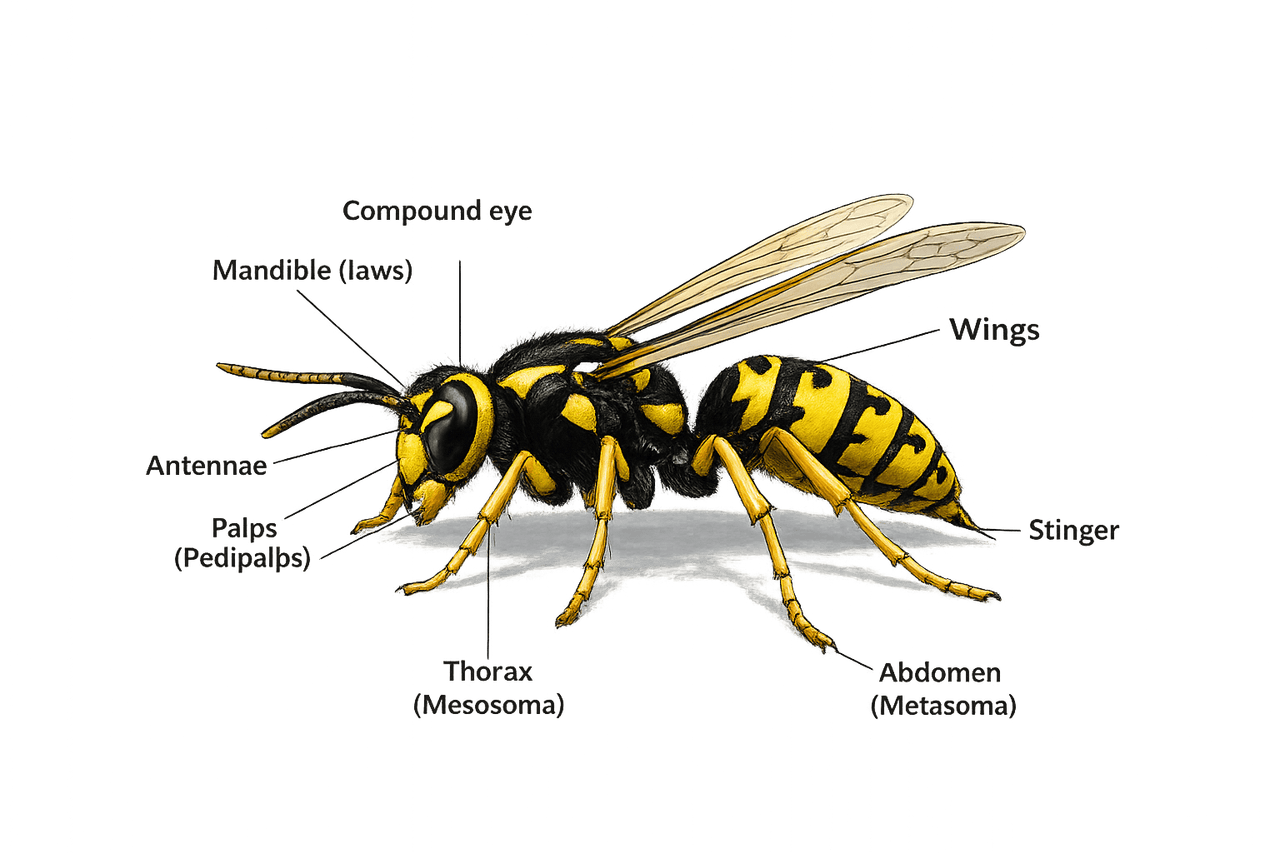
Wasp
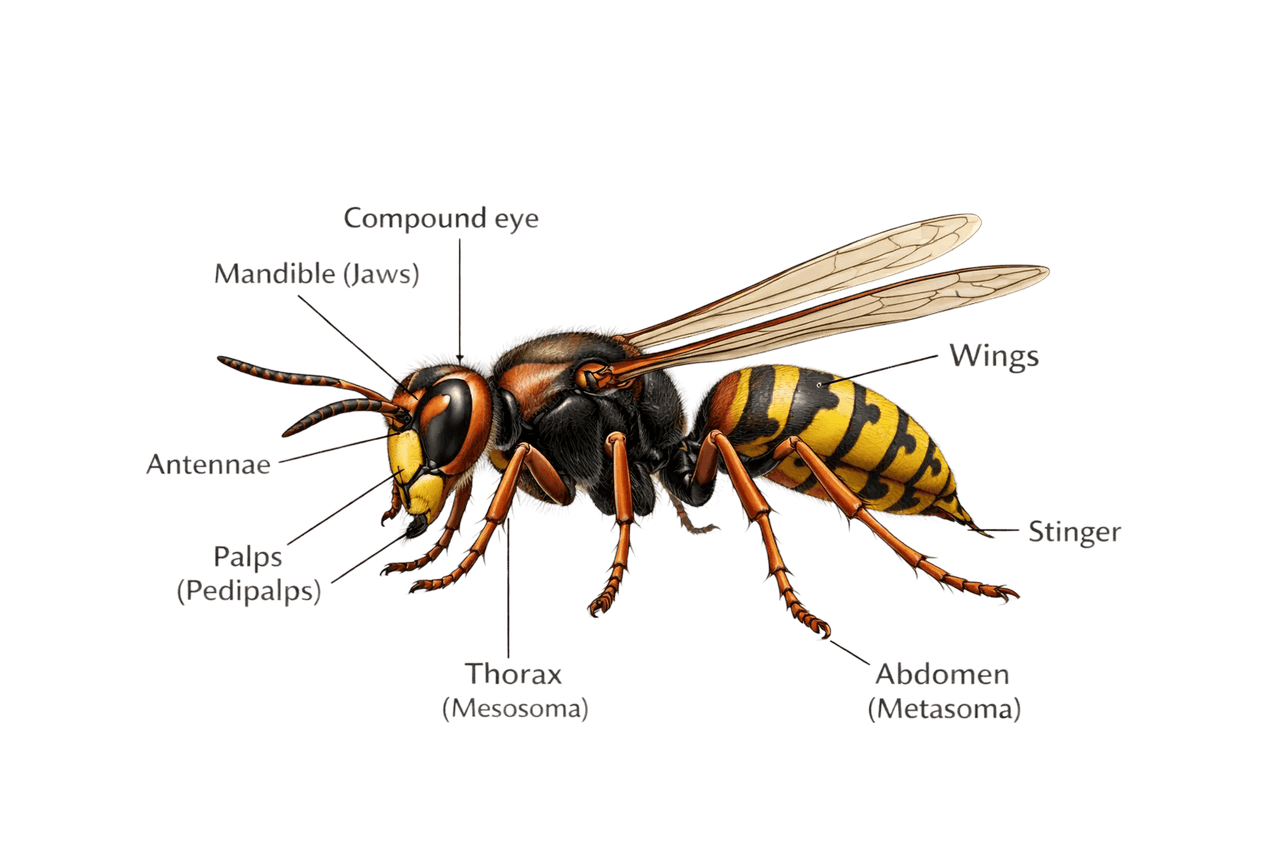
Hornet
Attracting wasps & Hornets
Why Wasps & Hornets Come Around Your Home
Wasps and hornets aren't usually on a mission to bother humans. Instead, they're drawn to your home and yard by food sources, shelter, and ideal nesting spots. Standing water, uncovered trash cans, and sugary substances (like soda spills or fruit left outdoors) can attract various species of wasps and hornets. Plus, insects themselves also serve as a food source for wasps, which is helpful for pest control—but less appealing when it brings a swarm closer to your living space.
Shelter is another major factor. Gaps in soffits, loose siding, and even hollow spaces in the ground can be attractive nest sites. In late summer and early fall, wasps can become more aggressive in their search for food, especially sugary substances that help sustain them as the cooler weather approaches.
COMMON TYPES
Identifying Types of Wasps & Hornets
Several types of wasps and hornets are common in the US, each with unique characteristics. Here are a few:
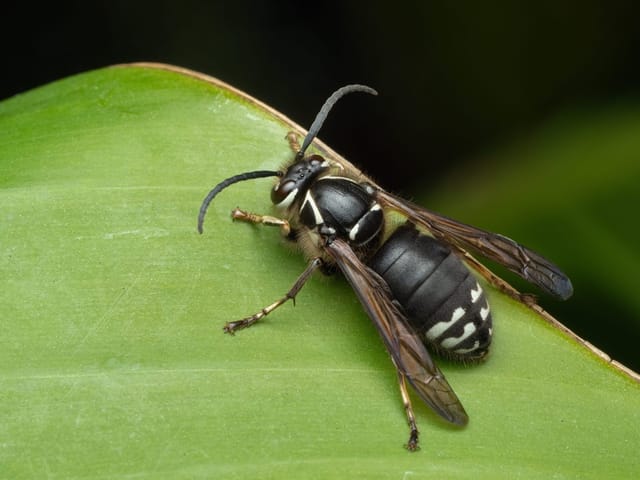
Bald-faced hornets
Large wasps, about ¾ inch long, with black bodies and white markings on their faces.
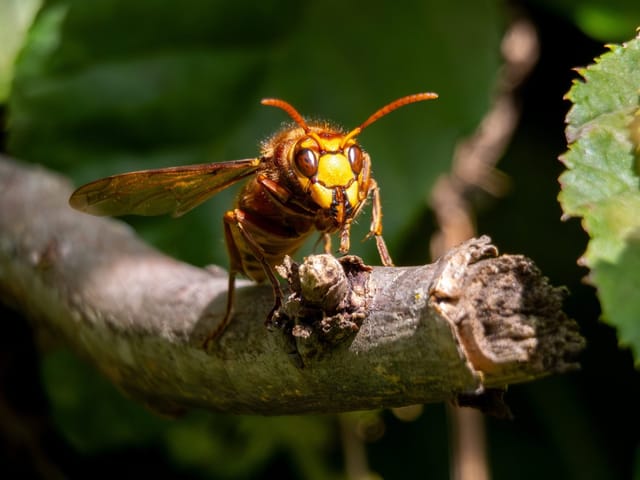
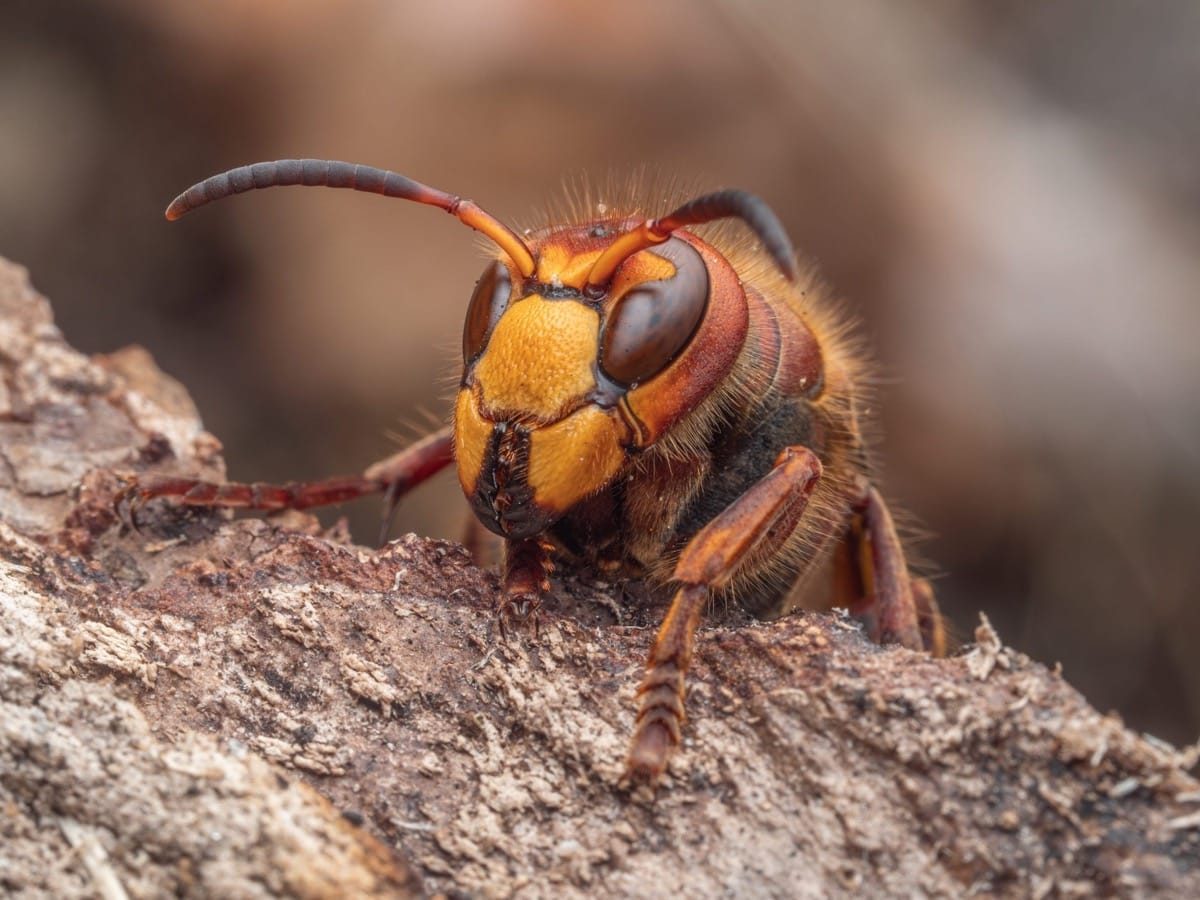
European hornets
Large, brown wasps with yellow and orange stripes, growing up to 1.5 inches long.
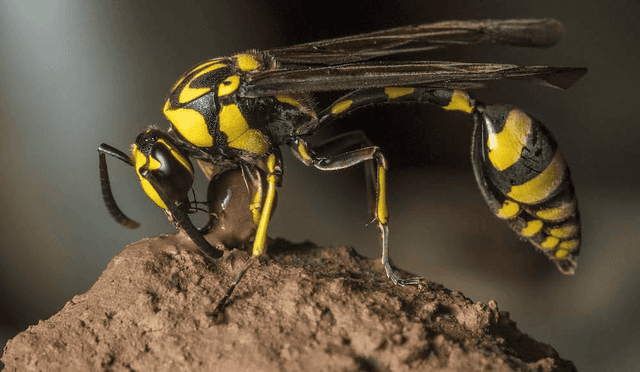
Mud dauber wasps
Long and slender with a prominent, thread-like waist, varying in color from black and yellow to metallic blue.
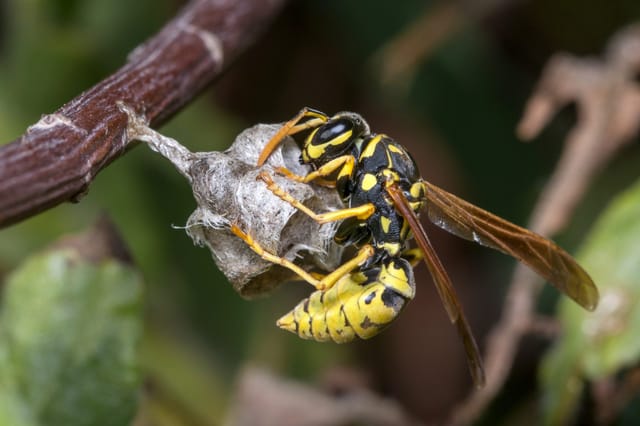
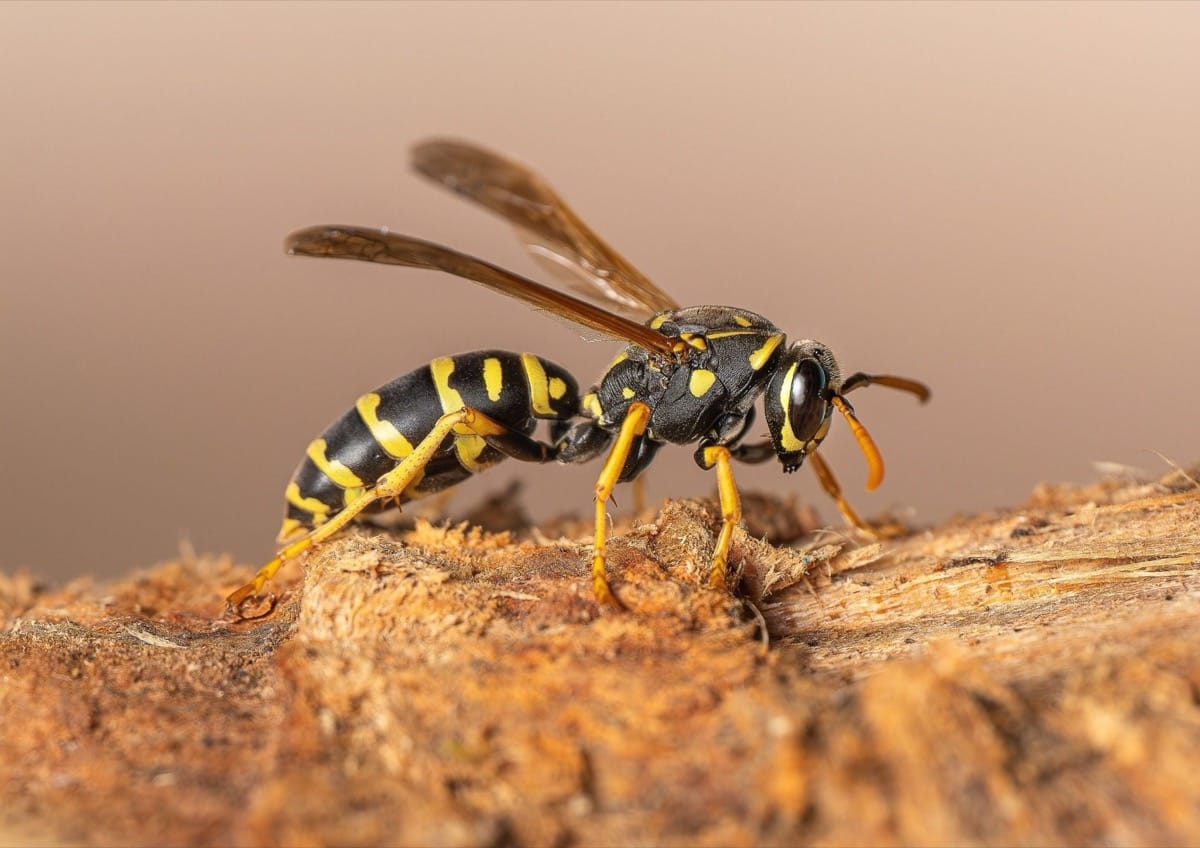
Paper wasps
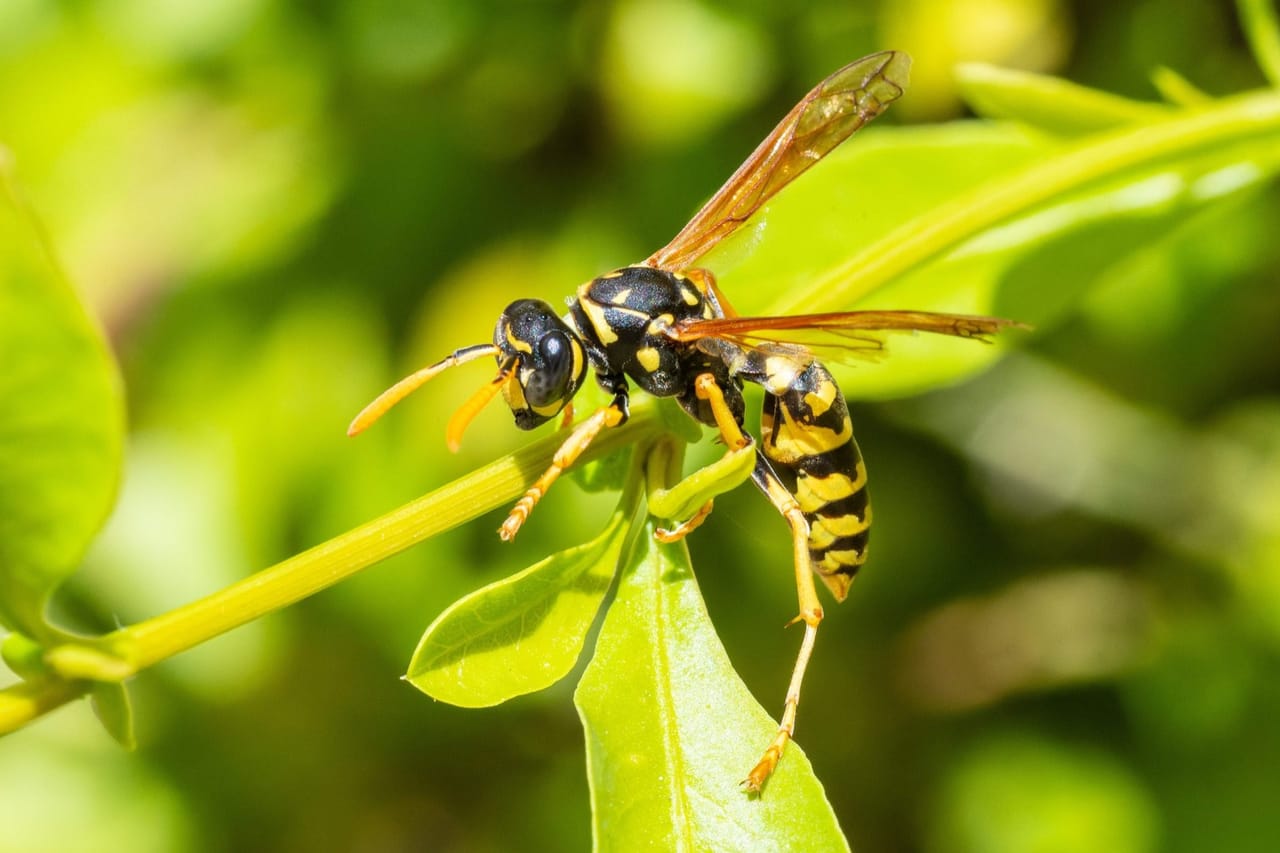
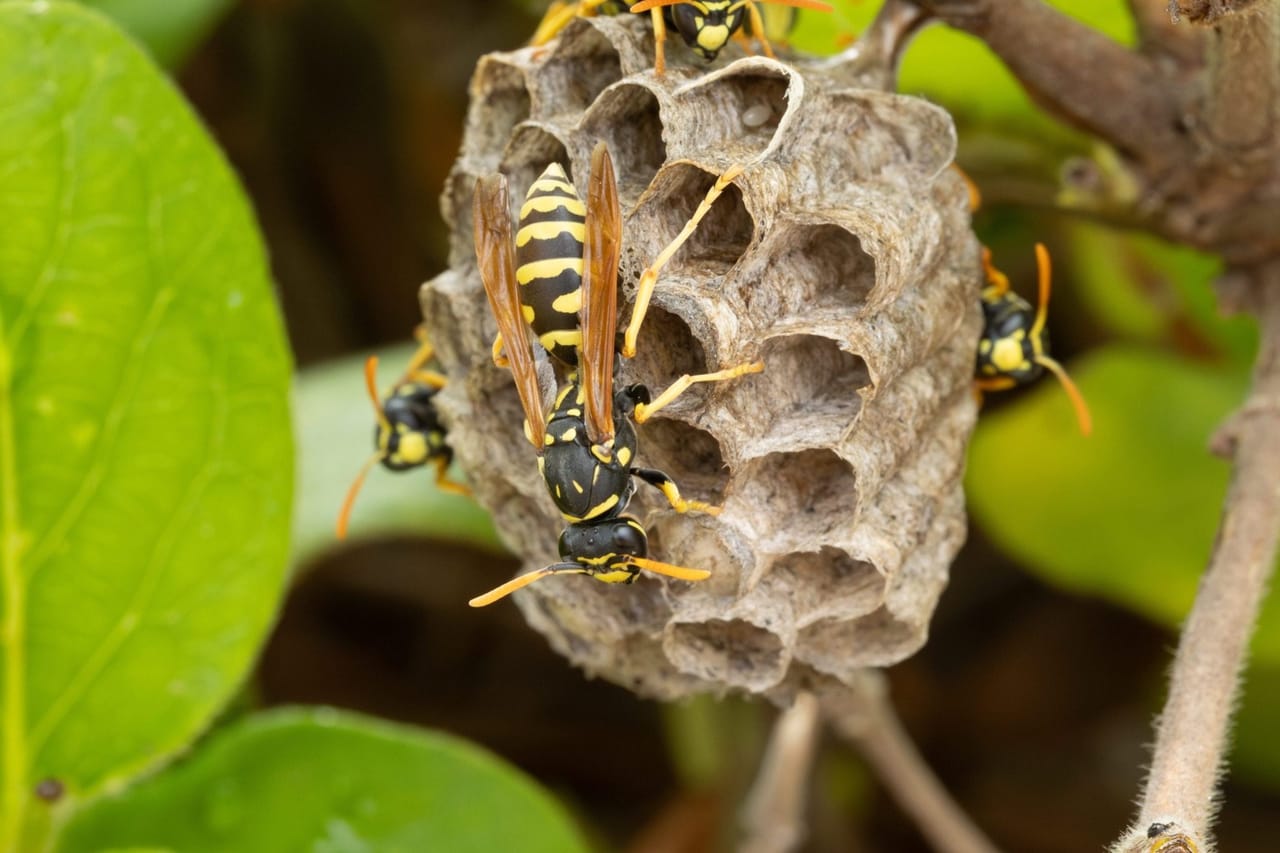
Slender bodies with black and yellow stripes, some with red markings, and are about 1 inch long.
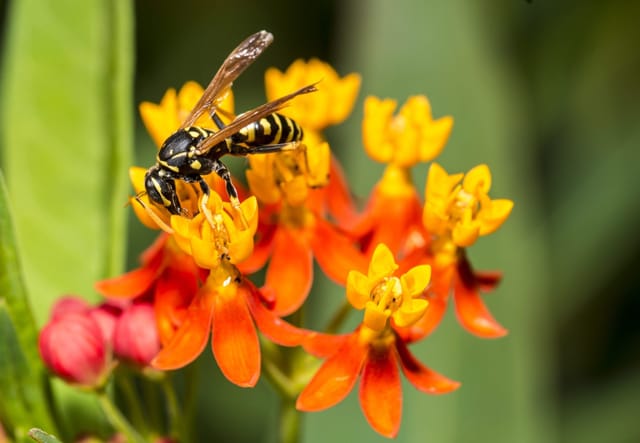
Yellow jackets
Black and yellow stripes and are about ½ to ¾ inch long
Behavior
Lifecycles of wasps & hornets
The lifecycles of wasps and hornets are quite similar. In the spring, a queen emerges from where she spent the winter and begins to build a nest. She lays her first eggs, which hatch into worker wasps. During the summer, those workers expand the nest, forage for food, and care for the young, allowing the colony to grow.
In the fall, the queen produces males and females (new queens), which then mate with each other. As cold weather approaches, the new queens will find a protected place to overwinter, while the rest of the colony dies out.
COMMON TYPES
Telling Nests Apart
See something that might be a wasp nest or hornet nest? Here are some of the most common varieties:
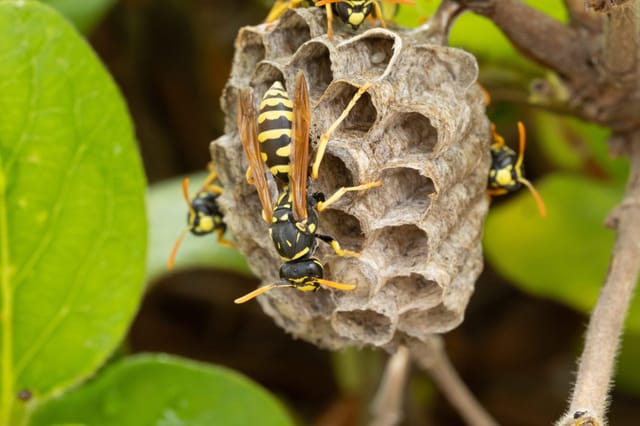
Paper Wasps Nests
Built from a papery material with open cells you can see from below. They're shaped like an open, upside-down umbrella, typically hanging under eaves or porch ceilings.
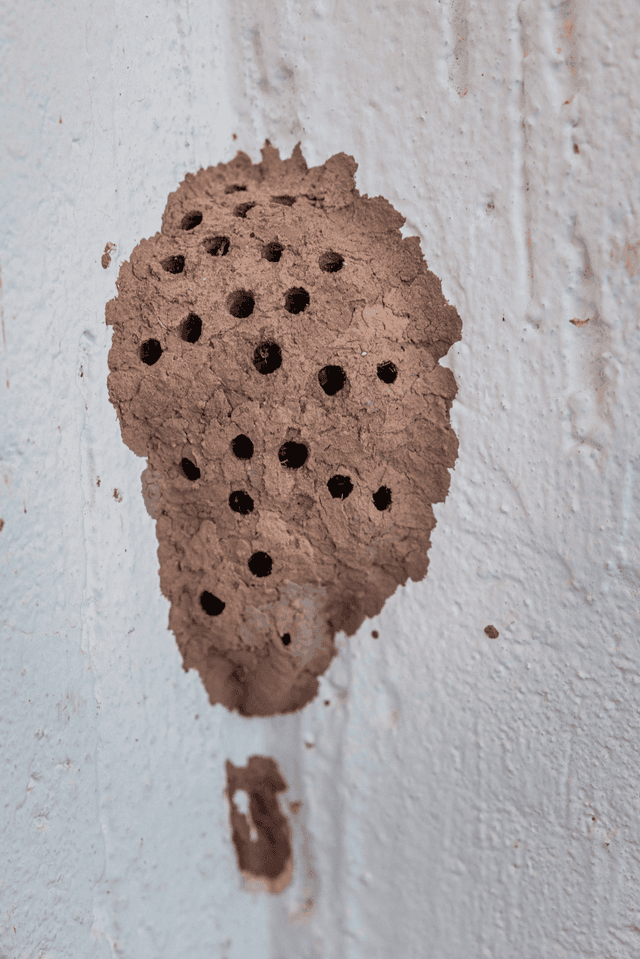
Mud Dauber Nests
- Build nests in sheltered sites under eaves, in garages, sheds, and on protected building walls. There are three types of mud daubers:
- Black and Yellow Mud Daubers build irregularly shaped, lumpy nests made of mud
- Blue Mud Daubers don't build nests but use abandoned nests of other mud daubers.
- Organ Pipe Mud Daubers build nests with long, smooth mud tubes placed side by side.
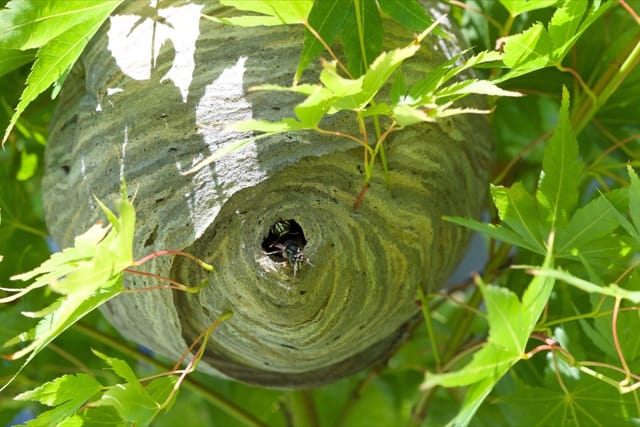
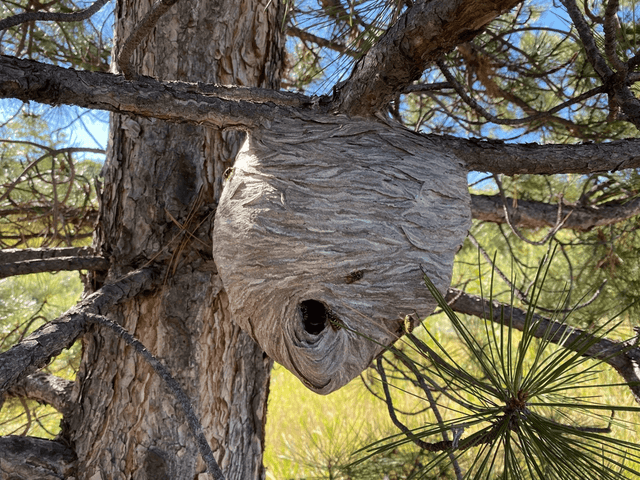
Bald-Faced Hornets Nests
Build aerial nests in trees, shrubs, or on building eaves. They tend to be large and football-shaped.
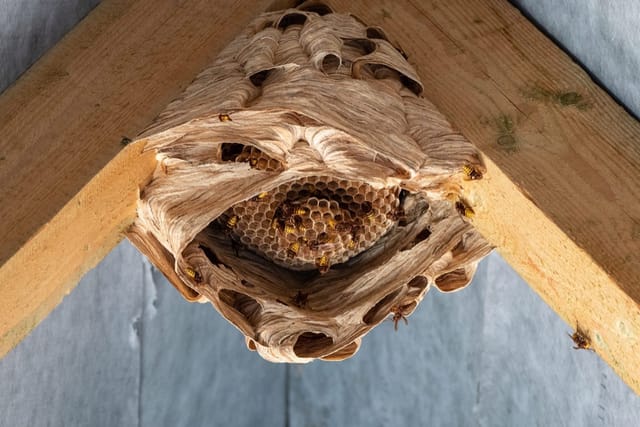
European Hornets Nests
Nest in hollow trees, barns, sheds, attics, and wall voids. Their nests are large, enclosed, papery structures.
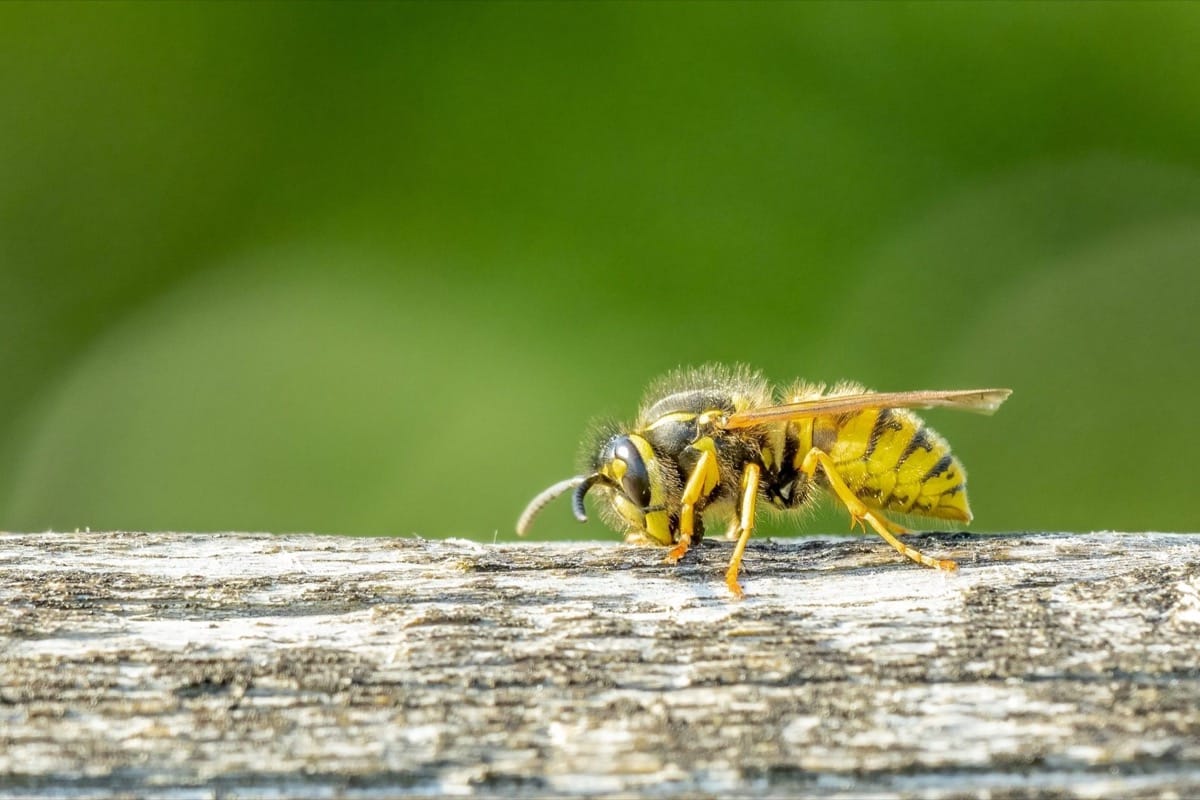
Yellow Jackets Nests
Nest underground in abandoned rodent burrows or other enclosed spaces, and sometimes in wall voids, woodpiles, and dense vegetation
Rule of thumb: if you see a steady stream of wasps zipping in and out of the same hole or crevice, there's a good chance you've found a nest entrance.
Next Steps
Practical Prevention Tips
One of the best ways to deter wasps and hornets is to remove what attracts them in the first place. Keep trash cans sealed, clean up food spills when they happen, and store sweet beverages in closed containers. Having some friends over for some patio beers? Place your empty beers and cans in a sealed trash or recycling container—don't leave them sitting out overnight.
Fixing drips and leaks also reduces standing water where these insects might gather. Giving your yard a regular solid once-over—i.e., trimming hedges, raking leaves, and repairing loose siding—helps eliminate nesting sites. Plus, adding screens to windows, doors, and vents can go a long way toward keeping wasps out of interior spaces.
Let Hawx Handle Your Wasp & Hornet Problem
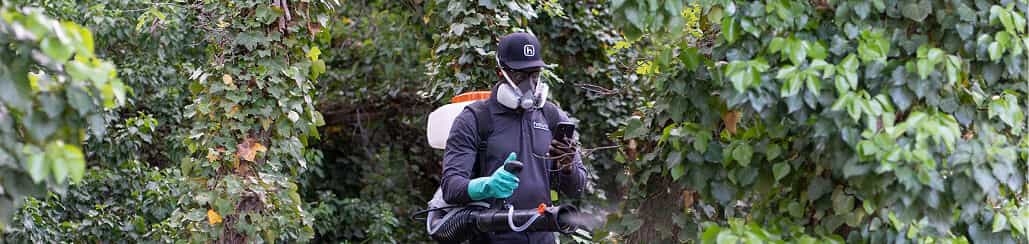
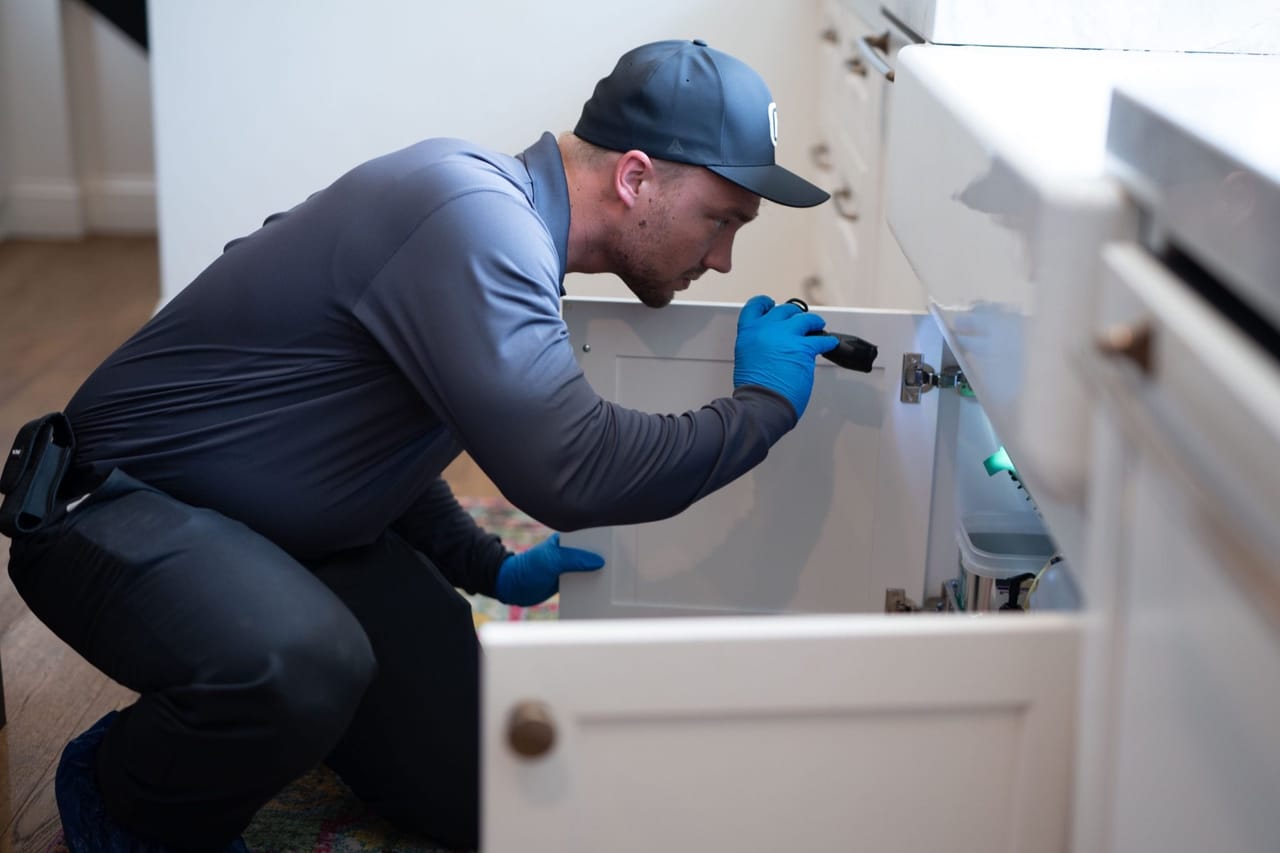
When you're ready to reclaim your yard from the threat of stinging insects like wasps and hornets, Hawx Pest Control is ready to help. Our local experts know the ins and outs of wasp and hornet behavior, from nest construction to food preferences. We begin with a thorough inspection to pinpoint problem areas, then develop a personalized plan to remove nests and prevent future infestations. Whether it's a single nest or multiple hotspots around your property, we use proven methods to tackle wasps and hornets at the source.
Contact Hawx Pest Control today for an assessment and customized treatment plan. With our help, you can enjoy the outdoors again—without worrying about what's buzzing around your home.
Wasp and hornet Identification: What Are the Main Types of Household Wasp and hornets?
Wasp and hornets can vary widely from species to species, so it's important to know how to identify wasp and hornets that typically invade homes.
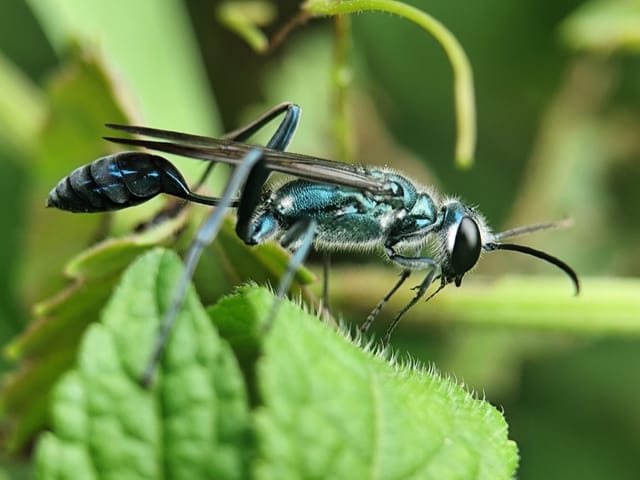
Blue Mud Dauber Wasps
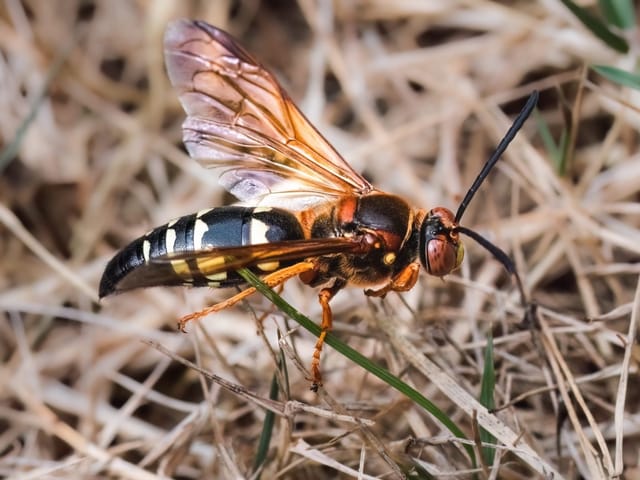
Eastern Cicada-Killer Wasps
Paper Wasps
Get $350 Off Wasp & Hornet Service
Stop the invasion; call hawx pest control today!
Is Your Property Under Threat From Stinging Insects? Contact Hawx Pest Control Today For Wasp Control Services In Your Area.
Call Now - Get Answers FastMORE ON wasps & Hornets
Want to Learn More About Wasps & Hornets?
Browse wasp / hornet-related articles and insights from our blog.
5-STAR PEST CONTROL
Top-Rated Local Pest Control
Hannah M
Janaury, 2026
Jaylen was wonderful! He took extra care around our plants, texted before arrival so we could put away the dogs, and was extremely knowledgeable and caring about his craft. He was able to answer a few additional questions we had swiftly and with a smile. 100% recommend!
Jessica B
December, 2025
Maggie was very professional and communicated to me the work that was done around my home. Excellent service and I haven’t been seeing any bugs in my house since we started services with Hawk.
Swakin R
August, 2025
Had a great experience with Hawx Pest Control. Eric, our technician, was fantastic—very professional, polite, and thorough. He explained everything clearly and made sure we were comfortable with the process. You can tell he really cares about doing a good job. Highly recommend Eric and the Hawx team!
Ken S
Janaury 21, 2026
Steve, was polite, courteous and punctual. I appreciated the communication. Hawx has been very consistent in delivering great service to my home over the years. I have no complaints or concerns. Thank you Steve.
Janie L
September 30, 2025
I've been with Hawx for a few years. They have great customer service. I didn't like that the price went up and got charged without my being notified but I discussed that with them once I realized my auto charge was increased. The current technician I've been getting is Jose. He's pretty responsive and serviced specific areas I needed/requested
Destiny G
November 18, 2025
I called Hawx to service my apartment after my building manager could not get to me quicker. Hawx arrived early next morning. Chris came and did a very thorough job. I highly recommend this service!